


 3228B Wade Hampton Blvd, Taylors, SC 29687

 (864) 300-4737




By using our website, you agree to the use of cookies as described in our Cookie Policy
Back to Blog
‹ Back
Could a Backup Generator in Greer Keep Your Home Ready for Outages?
Most homeowners wait until the lights go out to think about backup power. By then it's too late. The refrigerator's warming up, the sump pump's sitting idle, and every device in the house is dead weight. In Greer, where storms roll through without asking permission and the grid doesn't always hold, that's a risky game to play.
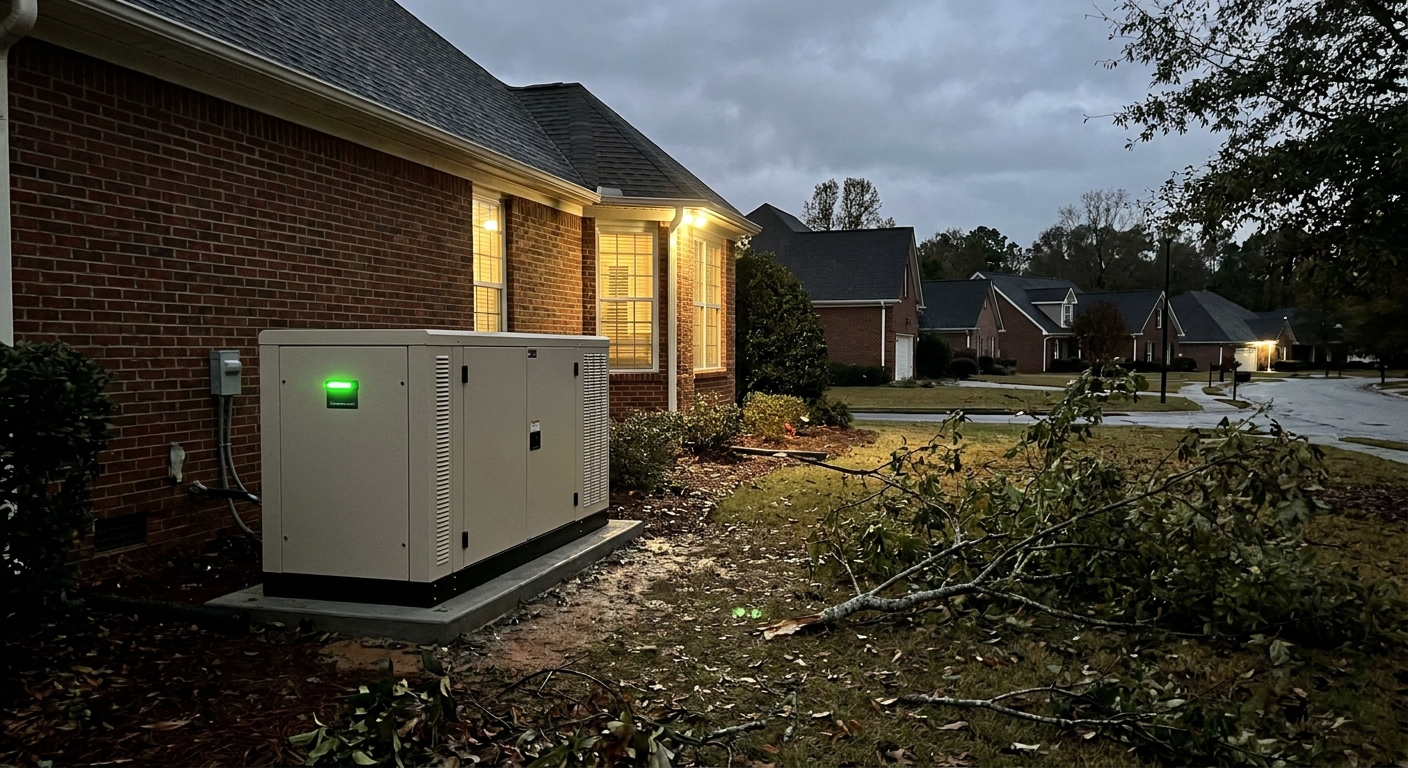
A backup generator isn't just about convenience. It's about keeping your home functional when everything around you shuts down. Whether it's a thunderstorm that knocks out a transformer or an ice storm that drops lines across the county, power failures don't announce themselves. But if you've got the right system in place, your house keeps running like nothing happened.
Greer Weather Doesn't Play Nice with Power Grids
The Upstate sees its share of weather extremes. Summer brings heavy storms with lightning strikes that take out substations. Winter means ice buildup on lines that weren't built to handle the load. Spring winds snap branches onto wires. And when the power company starts juggling repairs across multiple neighborhoods, your street might wait hours or days before someone shows up.
That's the reality. The grid wasn't designed for perfection, and local infrastructure has limits. If you're counting on uninterrupted service year-round, you're setting yourself up for frustration. A generator flips that equation. Instead of waiting on someone else's timeline, you decide when the power comes back on.
Portable Units Versus Permanent Standby Systems
Not all generators are built the same. Portable models get dragged out of the garage, gassed up, and plugged into a transfer switch or extension cords. They're cheaper upfront and work fine for a few essentials. But they're loud, they need constant refueling, and they won't start themselves at two in the morning when the power drops.
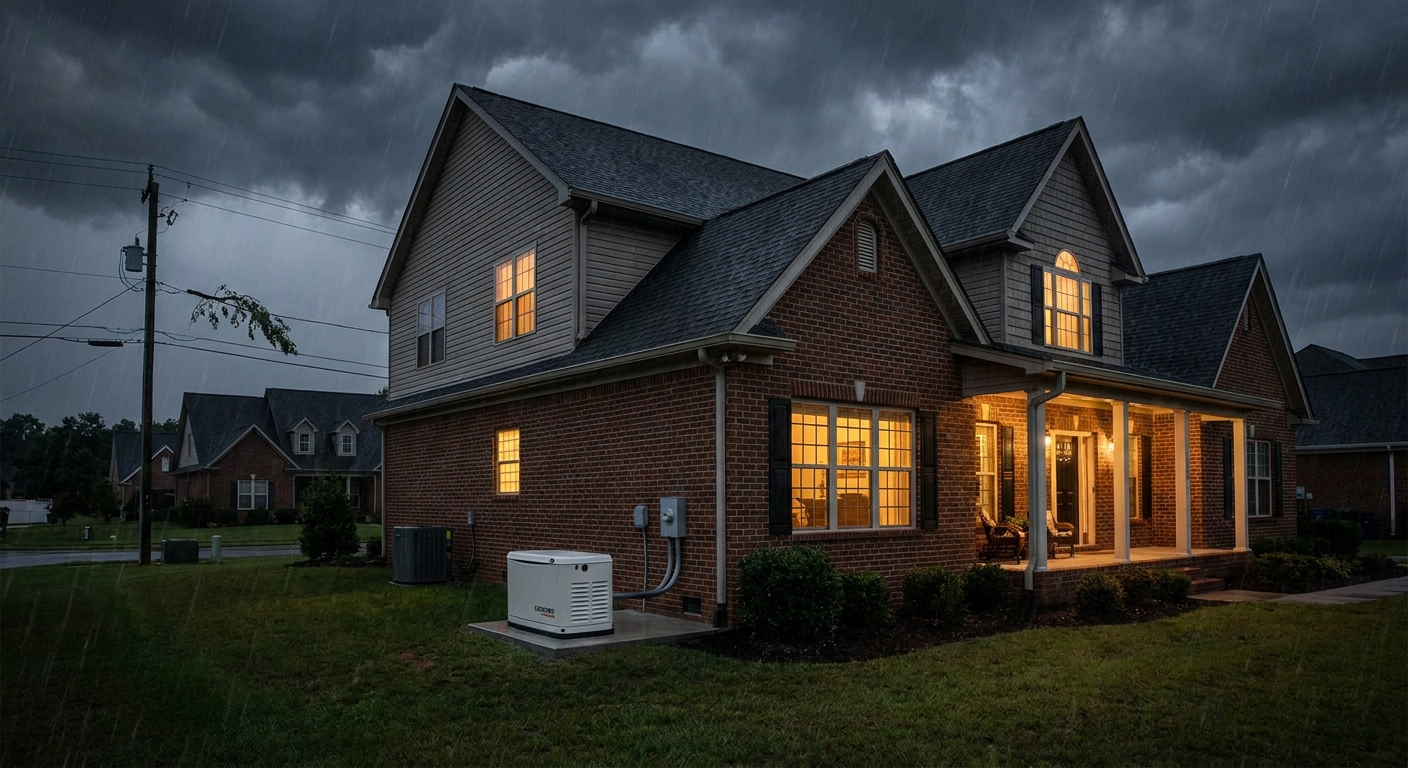
Standby generators sit outside permanently, wired into your home's electrical system and connected to a natural gas or propane line. When the grid fails, they detect it within seconds and switch on automatically. No manual setup. No frantic scrambling. You might not even wake up.
What Stays Running When the Lights Go Out
- Climate control: Your HVAC system keeps working, so the house stays heated in winter and cooled in summer without skipping a beat.
- Food storage: Fridges and freezers stay cold, saving you from tossing hundreds of dollars worth of groceries after a long outage.
- Sump pumps and well pumps: If your home relies on electric pumps for water or drainage, losing power can mean flooding or no water at all.
- Security systems: Alarms, cameras, and motion lights stay active, keeping your property protected even when the neighborhood's dark.
- Medical equipment: For anyone depending on oxygen concentrators, CPAP machines, or other electric medical devices, a generator isn't optional—it's essential.
Sizing It Right Means Knowing What You Need
Generators are rated in kilowatts, and the size you need depends on what you're planning to run. A small portable unit might handle a refrigerator, a few lights, and a space heater. A whole-home standby system can power everything from the air conditioner to the electric stove without breaking a sweat.
Calculate your load before you buy. Add up the wattage of the appliances and systems you can't live without. If you're not sure, a local electrician or generator installer in Greer can walk through your house and give you a real number. Undersizing means you'll be cycling appliances on and off. Oversizing wastes money on capacity you'll never use.
Installation Isn't a DIY Project
Standby generators require professional installation. That means electrical connections, fuel line hookups, concrete pads, and permits. If it's wired wrong or the transfer switch isn't set up correctly, you could damage your home's electrical system or the generator itself. Worse, you could create a dangerous backfeed situation that puts utility workers at risk.
Hire someone licensed and experienced. They'll handle the permits, inspect the setup, and make sure everything meets local code. It's not cheap, but it's not negotiable either. Cutting corners on installation is how you end up with a generator that doesn't work when you need it most.
Maintenance Keeps the System Ready
- Weekly self-tests: Most standby units run a brief diagnostic cycle once a week to confirm everything's working. You don't have to do anything—the generator handles it on its own.
- Oil and filter changes: Just like a car, generators need fresh oil and clean filters. Follow the manufacturer's schedule or risk engine failure during an outage.
- Battery checks: The battery starts the generator. If it's dead, the whole system is useless. Test it regularly and replace it when needed.
- Fuel system inspection: Natural gas lines and propane tanks should be checked for leaks or blockages. A clogged fuel filter can shut the generator down mid-cycle.
- Professional servicing: Bring in a technician annually to inspect the unit, load test the system, and catch problems before they become failures.
Fuel Options Matter More Than You Think
Standby generators typically run on natural gas or propane. Natural gas is convenient if you're already connected to a municipal line—it's always available and you'll never run out during an extended outage. Propane requires a tank, but it's a good option if natural gas isn't available in your area. Either way, the fuel supply is what keeps the generator running for days or weeks if needed.
Portable generators usually run on gasoline, which means storing fuel and refilling the tank every few hours. That's fine for short outages, but it's a hassle during multi-day events. Diesel is another option for larger portable units, though it's less common for residential use.
Permits and Code Compliance Aren't Optional
Greer has regulations around generator installation, and ignoring them can cost you. You'll need permits for electrical work, gas line connections, and sometimes for the generator itself. Inspectors will verify that the unit is installed safely, that it's far enough from windows and air intakes, and that the exhaust isn't venting into living spaces.
Skipping the permit process might save a few bucks up front, but it can void warranties, complicate insurance claims, and create liability issues if something goes wrong. Do it right the first time.
How Much This Will Cost You
- Portable generators: Range from a few hundred dollars for basic models to several thousand for larger inverter units with quieter operation and cleaner power.
- Standby generators: Start around five thousand dollars for smaller systems and climb to fifteen thousand or more for whole-home units with higher output and premium features.
- Installation costs: Expect to pay several thousand dollars for labor, permits, fuel line work, and electrical hookup. This varies based on the complexity of the job.
- Ongoing maintenance: Budget a few hundred dollars per year for oil changes, filter replacements, and professional inspections.
- Fuel costs: Natural gas and propane add to your utility bills when the generator runs. Gasoline for portable units can add up quickly during extended outages.
The Value Goes Beyond the Price Tag
Numbers on a receipt don't capture everything. A generator protects frozen food that would otherwise spoil. It keeps medical equipment running when lives depend on it. It prevents basement flooding when the sump pump stays powered. It means you're not throwing away a week's worth of groceries or scrambling to find a hotel room when the house gets too hot or too cold.
There's also the resale angle. Homes with standby generators sell faster and often command higher prices, especially in areas where outages are frequent. Buyers recognize the value of a house that keeps running when the rest of the street goes dark.
Common Mistakes That Cost Homeowners
Buying the wrong size is the most common error. Too small and you're rationing power. Too large and you've wasted money on capacity you'll never use. Another mistake is skipping maintenance. A generator that sits for months without testing might not start when you need it. Fuel systems gum up, batteries die, and oil breaks down.
Some people also underestimate installation complexity. A standby generator isn't a plug-and-play appliance. It's a permanent addition to your home's infrastructure. If you try to DIY it or hire someone unlicensed, you're asking for trouble.
Keeping Your House Alive When the Grid Goes Down
Power outages in Greer aren't going away. The weather's unpredictable, the grid's aging, and repairs take time. A backup generator doesn't stop the outages from happening, but it stops them from mattering. Your house keeps running, your family stays safe, and you're not left in the dark waiting for someone else to fix the problem.
At the end of the day, it's about control. The power company can't promise you uninterrupted service. But with the right generator and proper setup, you don't need them to. When the lights go out across the neighborhood, yours stay on. That's not luck—it's preparation. For comprehensive whole-home surge protection and reliable storm damage repair, professional service areas coverage ensures your electrical systems remain protected year-round.
Ready to Take Control of Your Power?
We know how important it is to keep your home running smoothly, no matter what the weather throws your way. Let’s make sure you’re never left in the dark again. If you’re considering a backup generator in Greer, give us a call at 864 300-4737 or contact us for an estimate and let’s get your home prepared for whatever comes next.
‹ Back