


 3228B Wade Hampton Blvd, Taylors, SC 29687
 (864) 300-4737


By using our website, you agree to the use of cookies as described in our Cookie Policy
Back to Blog
‹ Back
Does Your Greer Home Need a Water Filtration System?
Most homeowners think tap water is just tap water. Turn the faucet, fill the glass, move on. But what's flowing through your pipes isn't always as clean as the utility bill suggests. Even municipal water that meets federal standards can carry traces of chlorine, minerals, rust, and worse. And if your plumbing is older than your mortgage, you're gambling with lead and corrosion every single day.
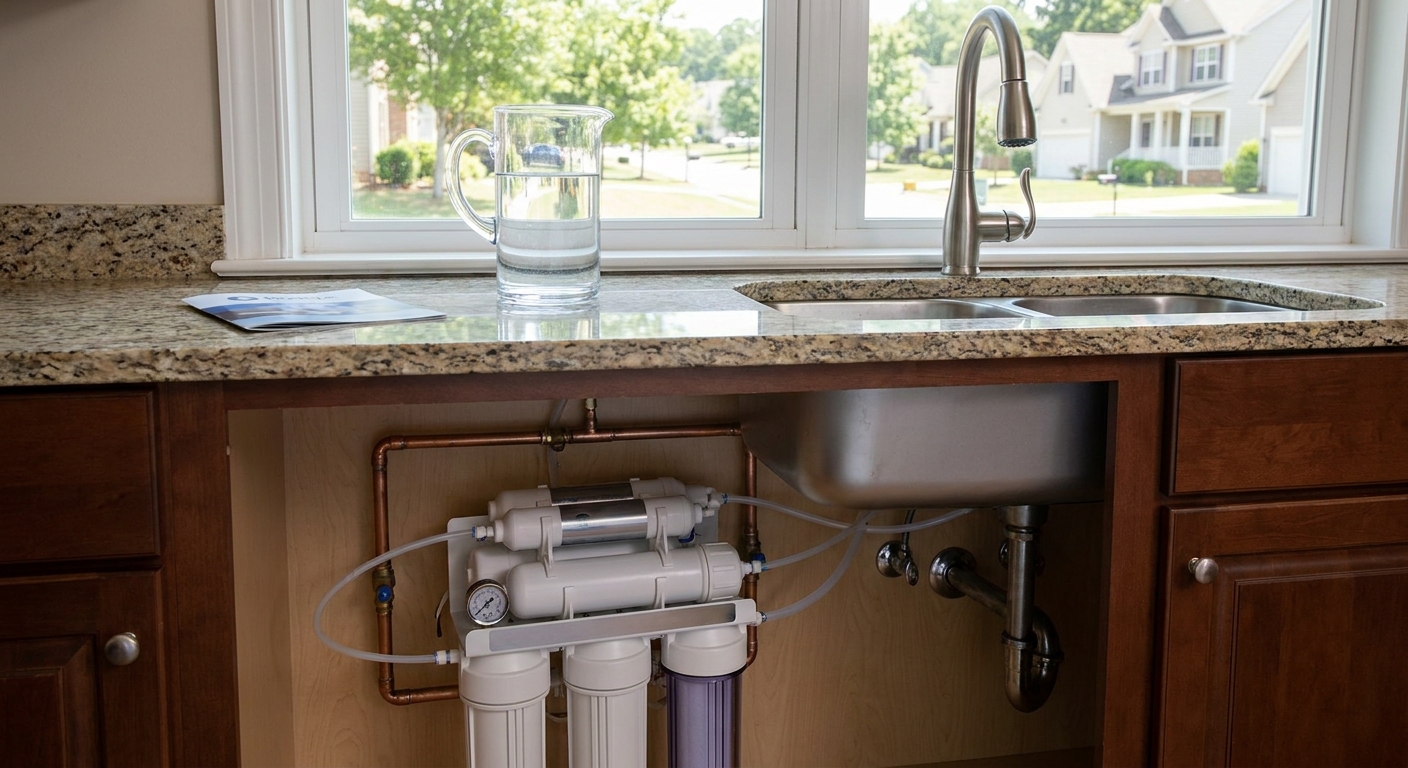
So here's what we know. Greer's water supply is regulated and tested — that's good. But regulation doesn't mean perfection. Aging infrastructure, agricultural runoff, and seasonal shifts can all leave a mark. If you're serious about what your family drinks, cooks with, and bathes in, water filtration isn't optional. It's overdue.
What's Actually in Your Water
Greer pulls its water from treated municipal sources, and most of the time, that water passes inspection. But passing doesn't mean pristine. Chlorine gets added to kill bacteria — great for safety, terrible for taste. Minerals like calcium and magnesium build up in your pipes and appliances. And depending on where you live, sediment, pesticides, or industrial byproducts might be tagging along too.
If your home sits on well water, the stakes get higher. No municipal oversight means no buffer. Bacteria, nitrates, and heavy metals become your problem to solve. And even city water can pick up contaminants as it travels through outdated pipes. Lead doesn't announce itself. Neither does rust. But both show up in your glass if the infrastructure's compromised.
The Red Flags You Shouldn't Ignore
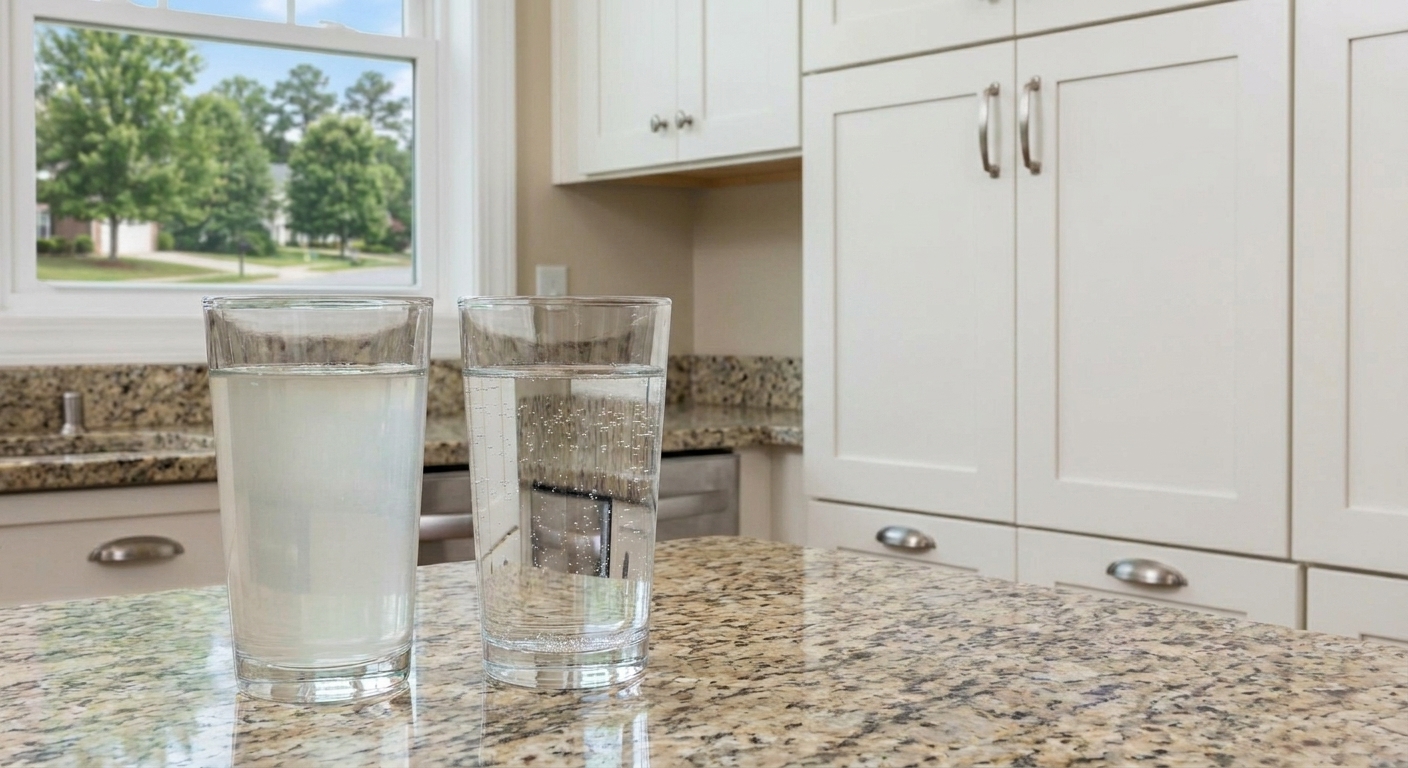
You don't need a lab report to know something's off. Your senses do most of the work. If your water tastes like a swimming pool, smells like sulfur, or leaves your dishes looking cloudy, that's your cue. Stains on your faucets, dry skin after showers, or appliances dying early? All signs your water's doing damage.
Here's what to watch for:
- Metallic or chemical taste that lingers
- Cloudiness or floating particles in your glass
- White crusty buildup on showerheads or coffeepots
- Reddish or brownish stains in sinks and tubs
- Skin irritation or dryness after bathing
- Frequent appliance repairs or replacements
Why Filtration Pays Off
Installing a water filtration system isn't about paranoia. It's about control. You strip out the chlorine that ruins your coffee. You block the minerals that clog your pipes. You eliminate contaminants that federal limits allow but your family doesn't need. And you stop buying bottled water like it's a subscription service.
Filtration also protects what you've already paid for. Water heaters, dishwashers, washing machines — they all take a beating from hard water and sediment. A good filter keeps them running longer and saves you from expensive service calls down the road. Plus, cleaner water means fewer chemicals touching your skin, fewer toxins in your meals, and fewer doubts about what's safe.
The Systems That Actually Work
Not all filters are created equal. Some knock out chlorine and call it a day. Others go deeper, pulling out heavy metals, bacteria, and chemical compounds most people can't even pronounce. The system you need depends on what's in your water and how much protection you want.
Here's the breakdown:
- Carbon filters handle taste, odor, and chlorine with minimal fuss
- Reverse osmosis tackles fluoride, lead, arsenic, and nitrates
- Water softeners strip calcium and magnesium to stop hard water damage
- UV purifiers kill bacteria and viruses without adding chemicals
- Whole-house systems filter everything before it hits a single faucet
Testing Tells You What You're Up Against
Guessing doesn't cut it. You need data. Water testing kits are cheap, easy to use, and available through local labs or online services. Some municipalities offer free testing, especially if you're on city water. Well owners should test annually at minimum — more often if there's been flooding, construction, or changes in taste.
Once you know what's lurking, you can match the filter to the threat. High lead levels? Reverse osmosis. Bacterial contamination? UV purification. Hard water destroying your appliances? Softener first, filter second. Every problem has a solution, but only if you know what you're solving for.
Common Mistakes That Cost You
Plenty of homeowners buy the wrong system because they didn't test first. Others install a basic carbon filter and assume it handles everything — it doesn't. Skipping maintenance is another fast track to failure. Filters clog, membranes wear out, and UV bulbs lose strength. Ignore those schedules and you're drinking unfiltered water without realizing it.
Here's where people stumble:
- Buying a system without testing water quality first
- Choosing a point-of-use filter when a whole-house setup makes more sense
- Forgetting to replace cartridges on schedule
- Assuming city water is always safe without checking
- Mixing up water softeners with filtration systems
Who Should Handle the Install
Point-of-use filters? Most homeowners can handle those. But whole-house systems, reverse osmosis rigs, and UV purifiers usually need a licensed plumber. Installation isn't complicated, but mistakes can lead to leaks, pressure drops, or systems that don't function at full capacity. If you're not confident with plumbing, don't wing it.
A professional also ensures the system integrates with your existing setup. They'll check water pressure, recommend the right filter size, and verify everything's sealed tight. That's worth the service call. DIY saves money — until it doesn't.
Maintenance Keeps the System Honest
Filters don't last forever. Carbon cartridges need swapping every few months. Reverse osmosis membranes go a year or two. UV bulbs burn out. Water softeners need salt. Miss those deadlines and your system becomes decoration. Worse, you're drinking water you think is filtered but isn't.
Track the schedule:
- Replace carbon filters every three to six months
- Swap reverse osmosis membranes annually or per manufacturer specs
- Change UV bulbs once a year
- Refill water softener salt as needed
- Inspect housings and connections for leaks quarterly
Filtration Isn't Guesswork Anymore
Your water might look clear, but that doesn't mean it's clean. Greer homes face the same risks as anywhere else — aging pipes, hard minerals, chemical residue, and the occasional nasty surprise. Filtration gives you control over what enters your home and what ends up in your body. Test your water, pick the right system, and maintain it like clockwork. That's how you protect your family and your investment without second-guessing every glass.
Ready for Cleaner Water?
We all want to feel confident about the water our families use every day. If you're ready to take the next step toward safer, better-tasting water in your Greer home, let's talk about the right solution for you. Give us a call at 864 300-4737 or contact us for an estimate and let’s make sure your water is as clean as it should be.
‹ Back