


 3228B Wade Hampton Blvd, Taylors, SC 29687
 (864) 300-4737



By using our website, you agree to the use of cookies as described in our Cookie Policy
Back to Blog
‹ Back
Drain Backups Happening More Often in Greer Kitchens
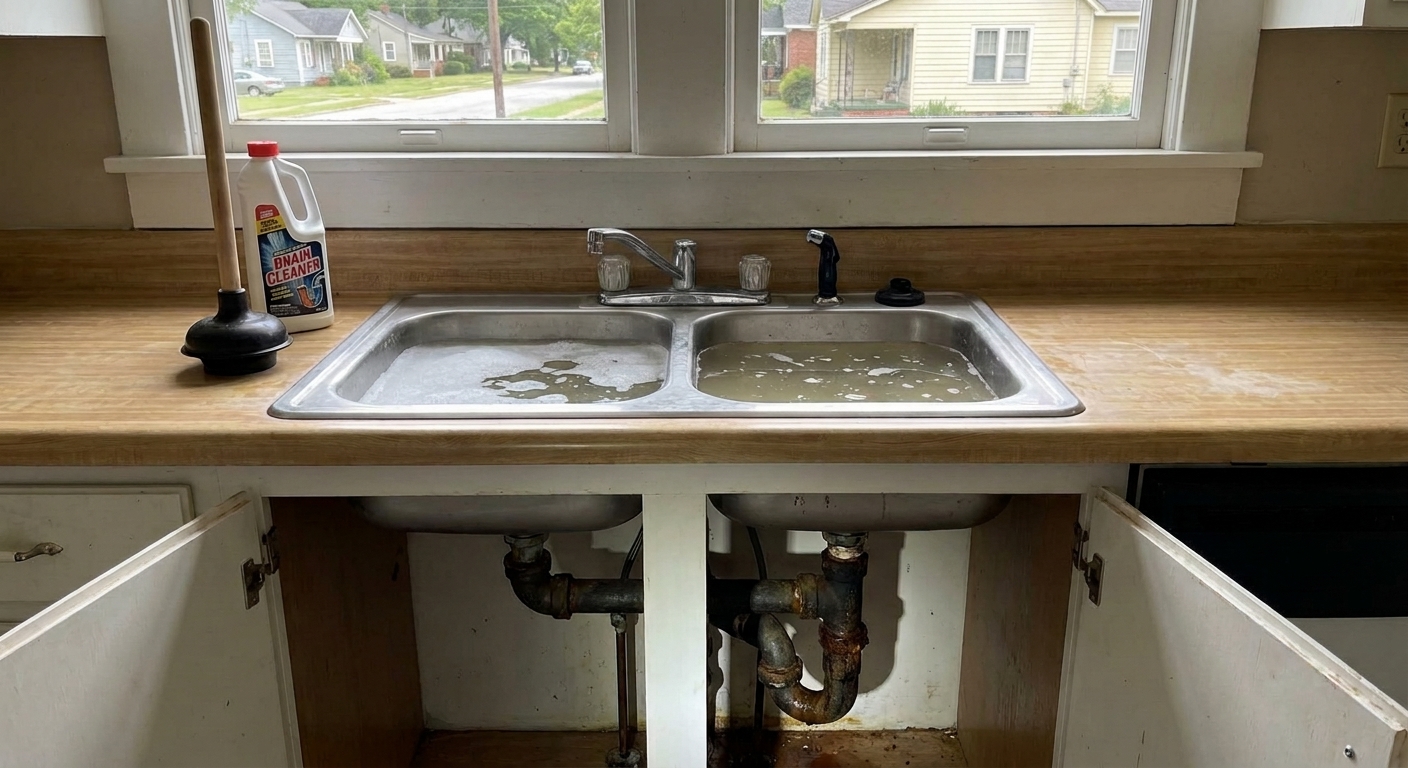
Most homeowners think a slow drain is just an annoyance. Water pools, you wait, it clears. But when backups start happening weekly—or worse, daily—you're looking at something bigger. And in Greer, that's exactly what's been playing out. Kitchens that used to drain fine are now flooding sinks, pushing water into dishwashers, and leaving behind smells that won't quit.
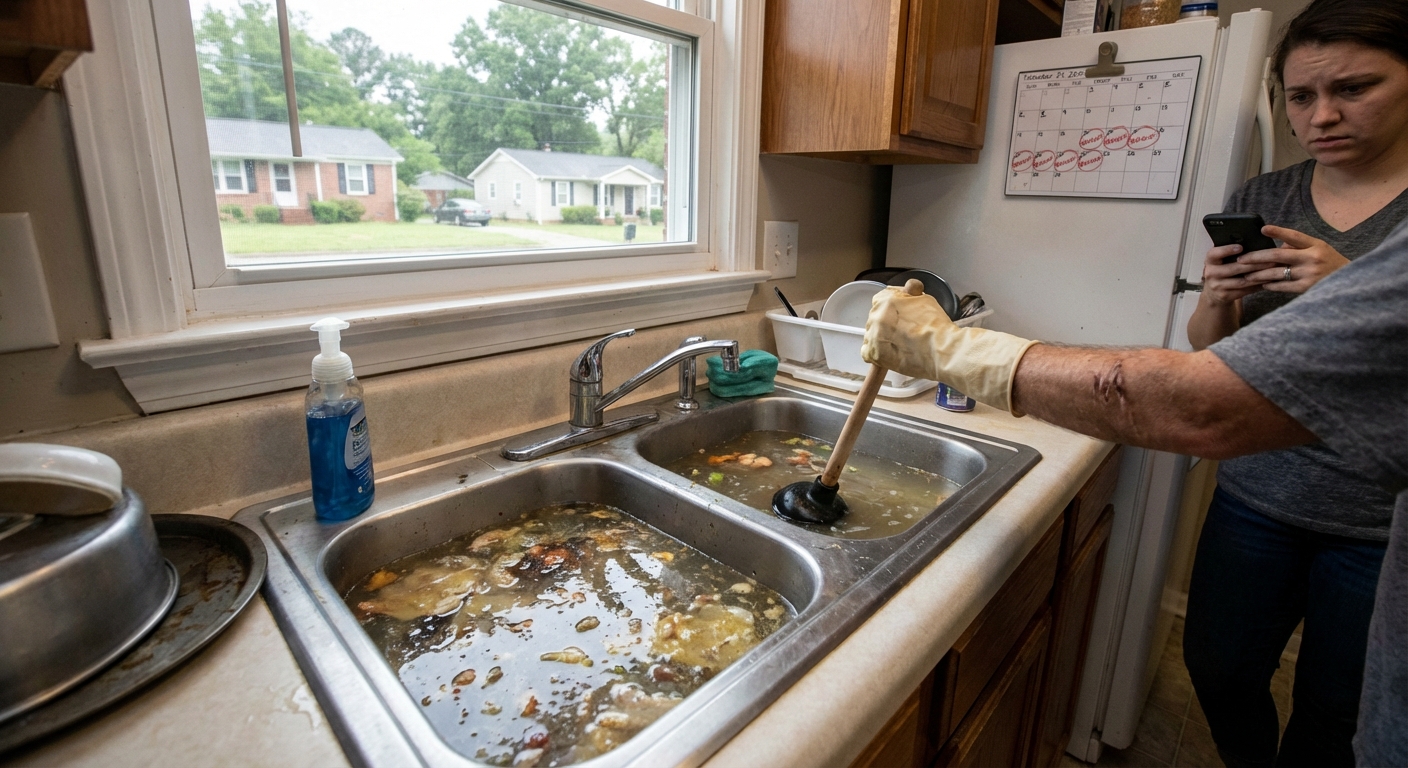
So here's what's actually going on. Greer's plumbing infrastructure wasn't built for how we live now. More cooking, more appliances, more stuff going down the drain. Add aging pipes and a few bad habits, and you've got a recipe for recurring backups. The good news? Most of this is preventable. You just need to know what you're dealing with—and what not to ignore.
Older Pipes Can't Keep Up
A lot of homes in Greer were built decades ago, and the plumbing reflects that. Cast iron, galvanized steel, clay—these materials break down over time. Corrosion narrows the pipe diameter. Joints separate. Tree roots find their way in. What used to handle normal kitchen use now struggles under the load.
And it's not just the pipes themselves. The way homes were plumbed back then didn't account for garbage disposal installation, high-efficiency dishwashers, or the sheer volume of water and waste modern kitchens produce. So even if your pipes aren't completely shot, they're working harder than they were designed to. That's when backups start showing up more often.
Grease Is Still the Biggest Culprit
We've all heard it before—don't pour grease down the drain. But plenty of people still do it, thinking hot water will flush it through. It won't. Grease cools, solidifies, and clings to pipe walls. Over time, it builds up into a thick coating that traps everything else: food particles, soap scum, mineral deposits.
Once that layer forms, your drain capacity shrinks. Water moves slower. Backups happen faster. And no amount of boiling water or dish soap is going to cut through it once it's set. You'll need a professional to clear it out—or you'll be dealing with the same problem every few weeks.
What's Actually Causing the Blockage
Grease gets the spotlight, but it's not the only offender. Greer kitchens are dealing with a mix of issues, and most of them are avoidable. Here's what we see most often:
- Grease and cooking oil that harden inside pipes
- Coffee grounds that clump together and don't break down
- Starchy foods like pasta and rice that expand when wet
- Fibrous vegetables like celery and potato peels that tangle in disposals
- Soap residue combined with hard water minerals
Each one of these can cause a backup on its own. Combine two or three, and you're looking at a serious clog that won't clear with a plunger.
Warning Signs You Shouldn't Ignore
Backups don't just appear out of nowhere. There's usually a buildup period where your drain is trying to tell you something's wrong. If you catch it early, you can avoid the mess and the emergency plumber bill.
- Water draining slower than it used to
- Gurgling noises when the sink empties
- Foul odors coming from the drain or disposal
- Water backing up into the opposite sink basin
- Dishwasher not draining completely after a cycle
Any one of these is a red flag. Two or more? You've got a problem that's only going to get worse.
How to Keep Your Drains Clear
Prevention isn't complicated. It just requires a little discipline and a few smart habits. Most backups happen because of what goes down the drain—not because of some mysterious plumbing failure.
- Scrape plates into the trash before rinsing
- Never pour grease, oil, or fat down the drain
- Use a mesh strainer to catch food particles
- Run cold water while using the disposal to keep grease solid
- Flush drains weekly with hot water to clear residue
These steps won't fix a pipe that's already compromised, but they'll keep a healthy system running smoothly. And if your pipes are older, they'll buy you time before a bigger repair is needed.
When DIY Doesn't Cut It
Plungers and drain snakes work for minor clogs. But if you're dealing with recurring backups, standing water, or multiple drains acting up at once, you're past the DIY stage. Chemical drain cleaners might seem like a quick fix, but they're harsh on pipes and rarely solve the underlying issue. In fact, they can make things worse by eating away at already-weakened pipe walls.
A licensed plumber can camera-inspect your lines, locate the blockage, and clear it properly—whether that means hydro-jetting, snaking, or replacing a damaged section. And if tree roots are involved, you'll need professional drain cleaning equipment to handle it. Trying to force it yourself just wastes time and risks damaging your plumbing further.
What Greer Homeowners Need to Know
Drain backups aren't just a nuisance. They're a sign that something in your plumbing system isn't working the way it should. Whether it's aging pipes, poor habits, or a combination of both, ignoring the problem only makes it more expensive to fix later.
We've worked with enough Greer homeowners to know that most backups are preventable. It's about being intentional with what goes down the drain, staying on top of maintenance, and calling in help before a slow drain turns into a flooded kitchen. If you're experiencing recurring issues with faucet installation or repair, toilet installation or repair, or need service in your area, professional help is available. Your plumbing doesn't have to be a recurring headache—but only if you treat it like the system it is, not just a hole in the sink.
Let’s Solve Your Kitchen Drain Problems Together
We know how frustrating it is to deal with constant drain backups in your Greer kitchen. Let’s put an end to the mess and get your plumbing working the way it should. If you’re ready for real solutions and honest advice, give us a call at 864 300-4737 or Contact Us For a Free Estimate—we’re here to help you get back to hassle-free cooking and cleaning.
‹ Back