


 3228B Wade Hampton Blvd, Taylors, SC 29687
 (864) 300-4737



By using our website, you agree to the use of cookies as described in our Cookie Policy
Back to Blog
‹ Back
Is Your Toilet in Greer Constantly Running at Night?
A toilet that won't shut up at 2 AM isn't just annoying. It's bleeding your water bill dry and telling you something inside the tank has failed. Most homeowners in Greer brush it off until they see the utility statement — or until the valve gives out completely. But by then, you've wasted thousands of gallons and left the problem sitting there long enough to get worse.
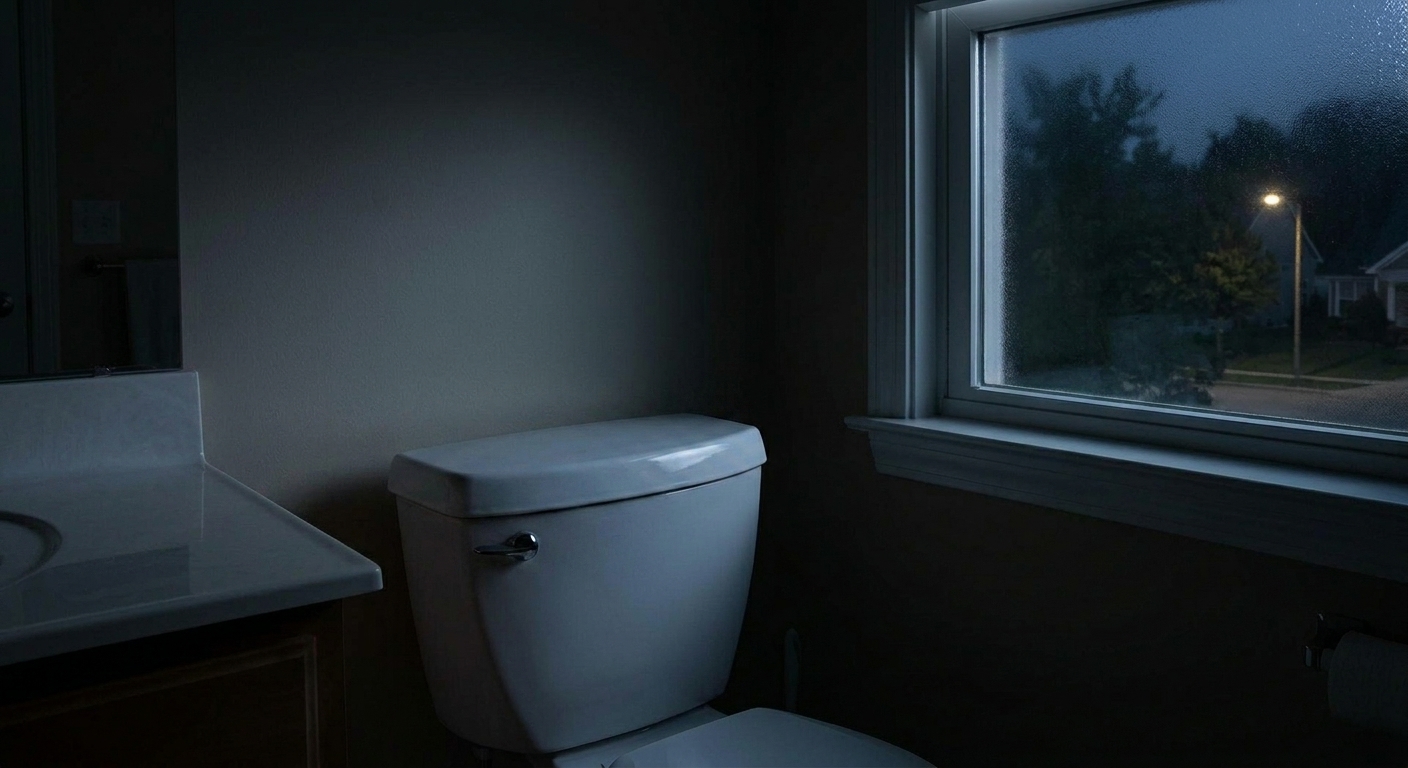
The good news? Most running toilets come down to a handful of culprits, and half of them are fixable without calling anyone. The bad news? If you ignore it, you're not just wasting water. You're setting yourself up for a bigger repair down the line. Here's what's going on, what you can handle yourself, and when it's time to bring in someone who knows what they're doing.
What Makes a Toilet Keep Running
Your toilet tank operates on a simple refill cycle. Flush, empty, refill, stop. When that cycle doesn't stop, it's because one of the internal parts isn't doing its job anymore. Either a seal has worn out, a valve is stuck, or the float isn't cutting off the water where it should.
The tank doesn't care if it's midnight or noon — it just keeps trying to fill. And unless something physically stops the flow, that water keeps trickling into the bowl or overflowing into the standpipe. That's the sound you're hearing when the house goes quiet.
- Flapper valves that no longer seal tight because the rubber's degraded
- Fill valves stuck open or malfunctioning after years of mineral buildup
- Float arms bent out of position or set too high
- Chains tangled or too short, preventing the flapper from closing all the way
- Cracked overflow tubes or deteriorated gaskets around the flush valve
Why the Noise Gets Louder After Dark
It's not that your toilet suddenly develops a personality at night. It's that everything else shuts up. During the day, you've got traffic, appliances, people moving around. At night, all you hear is that slow hiss from the tank or the trickle into the bowl.
But there's more to it than acoustics. Water pressure shifts when demand drops across the neighborhood. That can make a marginal leak turn into a steady flow once everyone's asleep. Temperature swings don't help either — rubber seals contract in cooler air, and a flapper that barely held during the day might start leaking once the house cools down.
- Ambient noise drops, making even minor leaks audible
- Municipal water pressure can spike during low-use hours
- Cooler overnight temps cause rubber components to shrink slightly
- Lower humidity levels can affect seal integrity in older parts
The Water You're Losing Adds Up Fast
A running toilet doesn't just waste a few gallons here and there. Depending on the severity of the leak, you could be dumping 200 gallons a day straight into the sewer. That's around 6,000 gallons a month — enough to fill a small swimming pool.
And it shows up on your bill. Most Greer homeowners don't realize how much a phantom leak costs until they compare months. Fixing the toilet pays for itself in weeks, sometimes days. Letting it run? That's just throwing cash away for no reason.
Quick Fixes You Can Try First
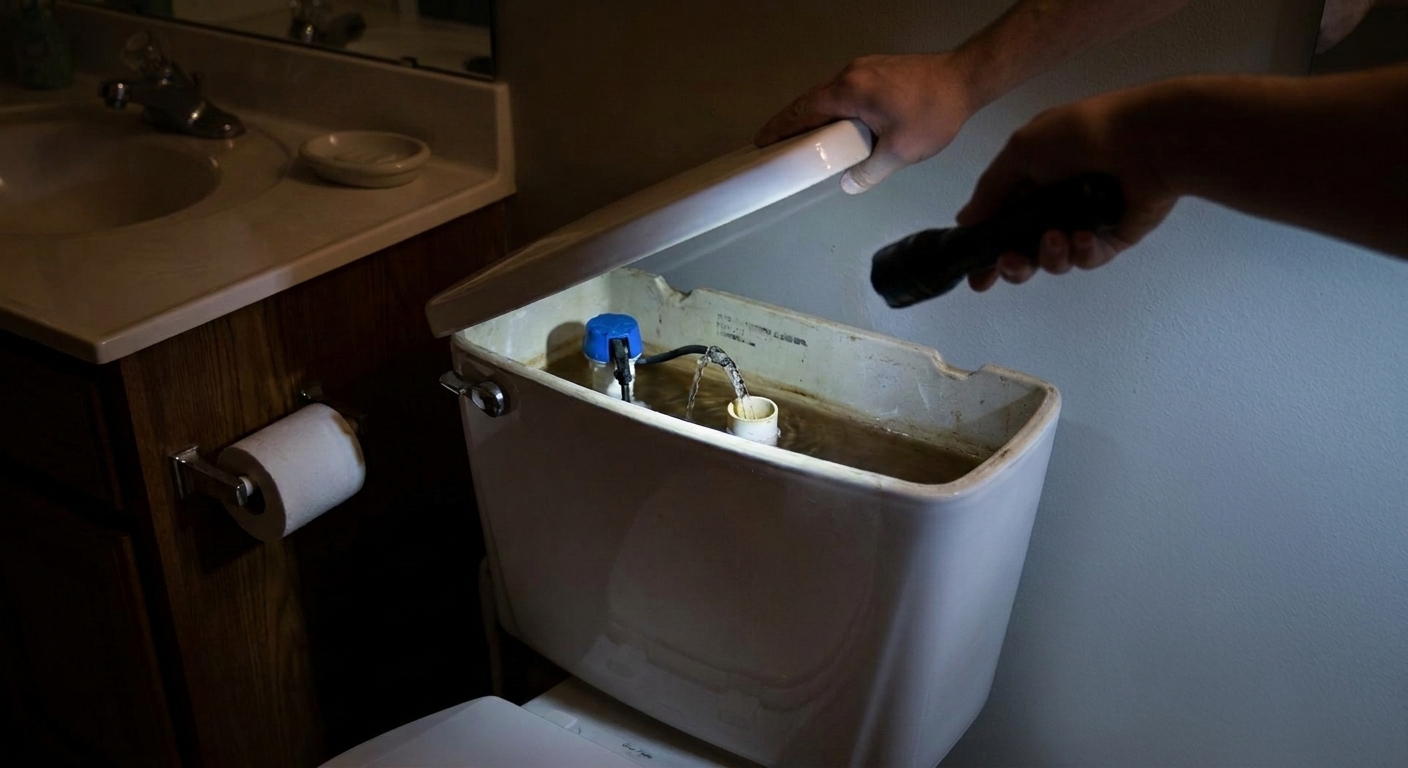
Before you call anyone, pop the lid off the tank and take a look. Most of what you'll find in there is simple enough to troubleshoot. Start with the flapper — if it looks warped, slimy, or doesn't sit flush against the valve seat, swap it out. They're cheap, and installation takes about five minutes.
Next, check the float. If it's riding too high, the water level will overshoot and pour into the overflow tube. Adjust it downward until the fill cycle stops about an inch below the top of that tube. If the chain connecting the handle to the flapper is kinked or too tight, give it some slack. And if you're not sure whether you've got a leak, drop some food coloring in the tank and wait fifteen minutes. If it shows up in the bowl without flushing, you've got your answer.
- Replace the flapper if it's discolored, cracked, or won't seal
- Bend or adjust the float arm so the water stops at the correct level
- Untangle or lengthen the lift chain if it's preventing closure
- Run a dye test to confirm whether water's leaking from tank to bowl
- Inspect the fill valve for cracks, clogs, or misalignment
When DIY Stops Working
If you've replaced the flapper, adjusted the float, and checked every visible part — and the toilet's still running — something deeper is off. Could be a hairline crack in the tank. Could be a fill valve that's corroded internally. Could be water pressure issues that are too much for the existing hardware to handle.
At that point, you're not just troubleshooting. You're guessing. And guessing with plumbing usually means wasting time and money on parts that don't fix the real issue. A licensed plumber in Greer can diagnose it in minutes and get it sorted without the trial-and-error cycle. Professional toilet installation and repair ensures the problem is properly identified and resolved.
How to Keep It from Happening Again
Toilets don't last forever, but the parts inside them definitely don't. Flappers wear out every few years. Fill valves clog. Floats drift out of position. If you want to avoid middle-of-the-night wake-ups from a running toilet, check the tank every few months. Look for mineral buildup, test the flapper seal, and listen for any hissing after a flush.
Catching problems early means you're replacing a $5 part instead of dealing with a flooded bathroom or a four-figure water bill. And if anything looks off but you're not sure what, don't sit on it. Many plumbing issues start small but escalate quickly if left unaddressed. Get a second set of eyes before the issue turns into an emergency.
- Inspect internal components every three to six months
- Swap out flappers proactively if they're more than five years old
- Flush out mineral deposits around the fill valve annually
- Watch for changes in how the toilet refills or how long it takes
- Keep replacement parts on hand so you're not scrambling at midnight
Stop the Leak Before It Costs You More
A running toilet isn't something you get used to. It's something you fix — before it doubles your water bill or turns into a bigger plumbing failure. Most of the time, it's a worn-out flapper or a misadjusted float. But when it's not, waiting only makes it worse.
Whether you're in Greenville, Simpsonville, or Spartanburg, we help homeowners get their plumbing back on track without the runaround. Whether it's a quick fix or something that needs a full diagnosis, we show up ready to solve it — not sell you services you don't need. Call us, and we'll get your toilet running right again.
Let’s Solve Your Running Toilet Together
We know how frustrating it is to lose sleep—and money—over a toilet that just won’t quit. Let’s put an end to the late-night leaks and rising water bills. If you’re ready for a fix that lasts, give us a call at 864 300-4737 or contact us for a free estimate and let’s get your bathroom back to quiet nights and peace of mind.
‹ Back