


 3228B Wade Hampton Blvd, Taylors, SC 29687
 (864) 300-4737



By using our website, you agree to the use of cookies as described in our Cookie Policy
Back to Blog
‹ Back
Is Your Water Heater in Greer Making Popping Sounds?
Most homeowners hear strange noises and assume it's nothing. A creak here, a clunk there—normal house stuff. But when your water heater starts popping like a bowl of cereal, that's not ambiance. That's a warning. The sound isn't just annoying. It's telling you something's building up inside that tank, and if you ignore it long enough, you're looking at expensive repairs or a full replacement.
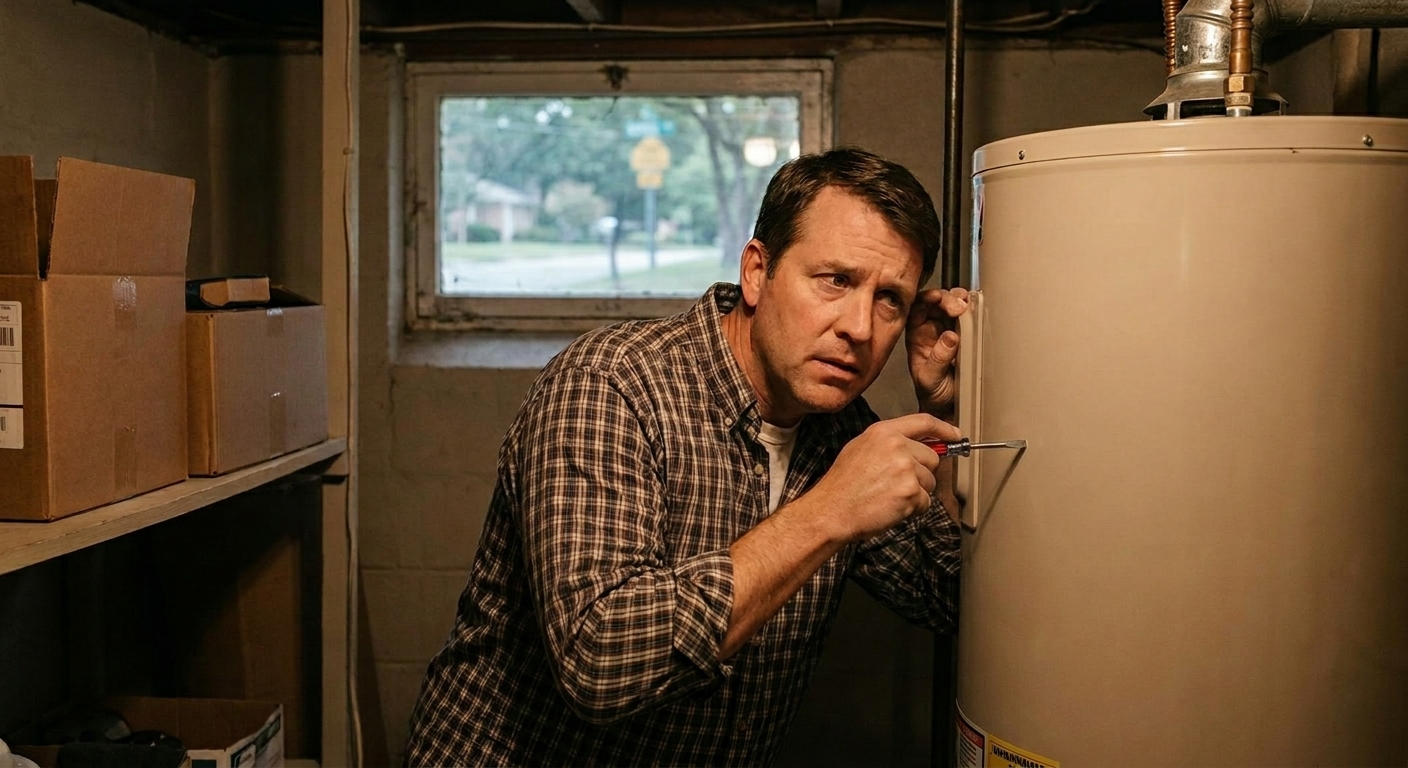
So here's the reality. Popping sounds don't mean your heater is about to explode tomorrow, but they do mean your system is under stress. Every bubble that escapes, every rattle you hear—it's friction, inefficiency, and wasted energy. The longer you wait, the worse it gets. And the fix? It's usually straightforward. Just don't wait until the damage is done.
Sediment Buildup Is the Main Offender
The culprit behind most popping noises is sediment sitting at the bottom of your tank. Greer's water carries minerals—calcium, magnesium, all the usual suspects. Over time, those minerals settle and harden at the base of your heater. When the burner or heating element fires up, it heats the sediment layer too. Water trapped underneath that crust turns to steam, forcing its way out with a pop or crack.
Think of it like a kettle with scale. The more buildup there is, the louder it gets. And it's not just sound—your heater has to work harder to push heat through that barrier. That means higher bills, slower recovery times, and components wearing out faster than they should. If the noise is getting louder or more frequent, the sediment layer is getting thicker.
Other Causes Worth Checking
Sediment is the usual suspect, but it's not the only one. Depending on your system and setup, a few other factors might be at play. Here's what else could be causing those sounds:
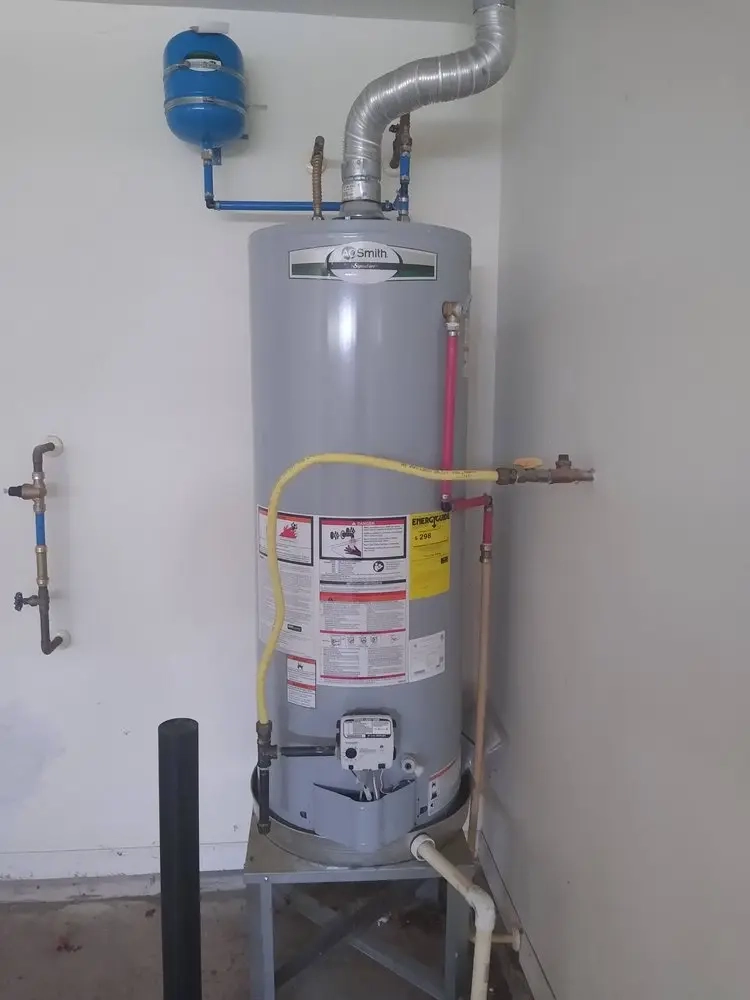
- Pressure swings from thermal expansion: Water expands when it heats. Without a properly functioning expansion tank, that pressure has nowhere to go, and you'll hear banging or popping as the tank adjusts.
- Mineral crusts on heating elements: Electric models can develop deposits directly on the elements themselves. When those get too thick, they overheat and sizzle.
- Trapped air pockets: Air can get stuck in the lines or tank during filling or after repairs. As it escapes during heating, it causes bubbling or popping.
- Loose or failing components: Sometimes it's not the water at all—it's a mounting bracket, a loose pipe, or a degraded anode rod rattling around.
When It's More Than Just Noise
Popping by itself won't blow up your basement, but it's a symptom of a system that's struggling. Left unchecked, sediment and pressure issues can escalate into real problems. We're talking reduced efficiency, skyrocketing utility bills, and components failing years ahead of schedule. Tanks that run too hot for too long are more prone to corrosion and leaks.
And if pressure builds without relief? That's when you risk a rupture. It's rare, but it happens. Most modern heaters have safety valves to prevent catastrophic failure, but those valves can fail too—especially if they've never been tested or maintained. If you're hearing popping and noticing other red flags—rust-colored water, leaks, inconsistent temperatures—don't mess around. Call a pro.
What You Should Do Right Now
The best move is flushing the tank. Draining out the sediment restores efficiency and quiets things down. It's not complicated, but it does require some basic steps and a little time. Most homeowners can handle it if they're comfortable with basic maintenance. Here's the process:
- Shut off the power source—flip the breaker for electric units or turn the gas valve to pilot
- Let the water cool down for a few hours to avoid scalding
- Attach a garden hose to the drain valve at the tank's base and run it outside or into a drain
- Open the valve and let the tank empty completely, flushing out all the sediment
- Close the valve, disconnect the hose, refill the tank, and restore power
If the popping continues after a flush, or if you're not confident doing it yourself, bring in a licensed plumber. They'll inspect the tank, check the pressure relief valve, and confirm whether the issue is sediment or something more complex.
Keeping It Quiet Going Forward
Flushing once won't keep sediment away forever. You need a routine. Most manufacturers recommend an annual flush, especially in areas with hard water. Greer's mineral content makes this even more important. Regular flushing keeps buildup from hardening and gives you a chance to spot other issues early—like corrosion, leaks, or a failing anode rod.
Consider installing a water softener if you haven't already. Softened water means fewer minerals in the tank, which means less sediment and a longer lifespan for your heater. And if you're not already scheduling annual inspections, start. A plumber can catch small problems before they turn into expensive emergencies.
Prevention Is Cheaper Than Replacement
We've seen too many homeowners wait until their water heater is on its last leg—then scramble to replace it. That's avoidable. A little maintenance goes a long way. Here's what a proactive approach looks like:
- Flush the tank at least once a year, more often if you have hard water
- Test the pressure relief valve annually to make sure it's functioning
- Inspect the anode rod every few years and replace it when it's corroded
- Check for leaks, rust, or unusual sounds during routine maintenance
- Install a water softener to reduce mineral buildup
DIY Has Limits
Flushing a tank is something most people can handle with a little guidance. But diagnosing ongoing issues, replacing components, or dealing with pressure problems? That's where DIY gets risky. If you're not sure what's wrong, or if the noise persists after you've flushed the system, call someone who knows what they're doing.
A qualified plumber will inspect your entire setup—tank, valves, elements, expansion tank, and all. They'll tell you whether it's a quick fix or if you're looking at a replacement. And they'll do it without guessing. That's worth the service call.
Don't Wait Until It's an Emergency
Popping sounds are easy to ignore. They're not dramatic. They don't flood your basement or leave you without hot water overnight. But they do mean your system is working harder than it should, costing you money, and moving closer to failure. The fix is usually simple—if you catch it early. Wait too long, and you're buying a new heater instead of scheduling a flush.
We help homeowners in Greer keep their water heaters running efficiently and quietly. Whether you need a flush, a repair, or a full replacement, we'll walk you through the options and make sure the job's done right. Reach out today and stop letting that popping sound turn into a bigger problem.
Let's Solve Your Water Heater Issues Together
We know how important reliable hot water is for your home, and we're here to make sure your system stays quiet and efficient. If you're hearing popping sounds or just want peace of mind, let's talk about the best solution for your water heater. Give us a call at 864 300-4737 or contact us for an estimate and let’s get your hot water back on track.
‹ Back