

 3228B Wade Hampton Blvd, Taylors, SC 29687
 (864) 300-4737



By using our website, you agree to the use of cookies as described in our Cookie Policy
Back to Blog
‹ Back
Thinking About Adding an EV Charger to Your Greer Home?
Most Greer homeowners think an EV charger is just about plugging in overnight. Charge up, drive off. But there's more to it than convenience — and if you skip the planning stage, you're setting yourself up for headaches. Your electrical panel has limits. Your property has codes. And every installation decision should be grounded in how you'll actually use the charger — not just how good it looks in the garage.
So here's the reality. If you're going electric to save money and cut emissions, that's smart. Just don't treat the installation like a weekend project. Every wire needs proper capacity. Every permit needs approval. And every choice should reflect your driving habits and your home's infrastructure — not just what the internet told you was easy.
Level One Barely Moves the Needle
Sure, you can plug into a standard 120-volt outlet and call it charging. That's Level 1. It comes with most EVs, requires zero installation, and delivers roughly three to five miles of range per hour. For someone driving ten miles a day, that might work. For everyone else? It's painfully slow.
Level 2 chargers run on 240 volts — the same power your dryer uses — and they deliver twelve to sixty miles per hour depending on the unit. That's the difference between waking up ready to roll and waiting half the day for a usable charge. Most EV owners in Greer who drive regularly don't mess around with Level 1. They go straight to EV wall charging installation and never look back.
Your Panel Might Not Be Ready
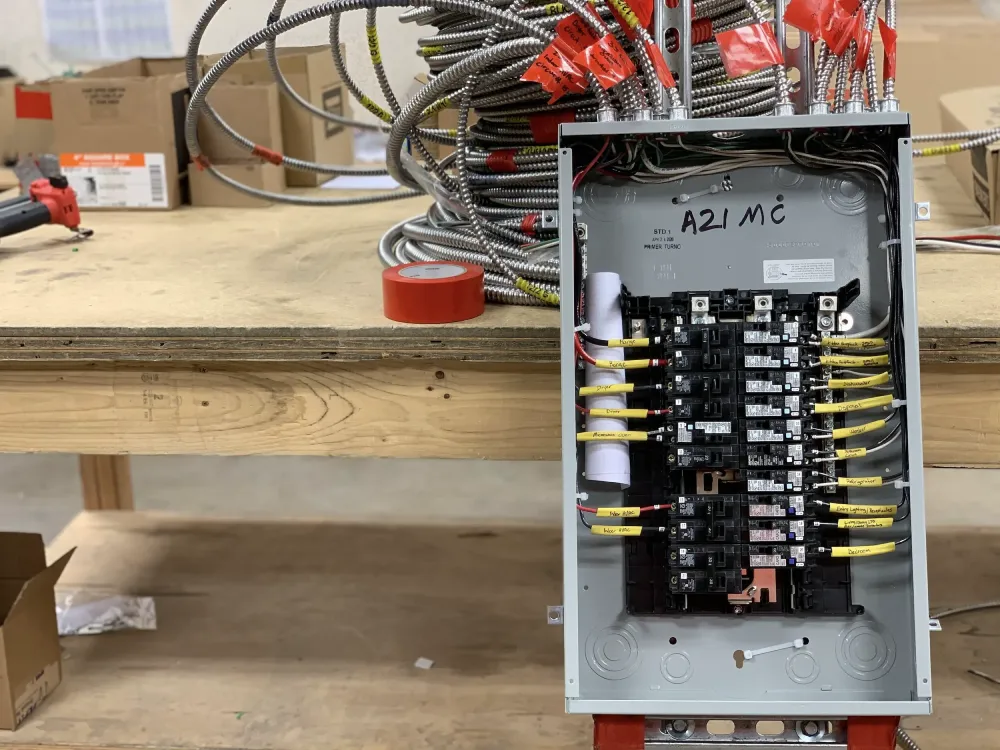
Before you buy a charger, check your electrical panel. Adding a 240-volt circuit isn't always plug-and-play. If your panel is maxed out or outdated, you'll need an upgrade before anything gets installed. That means more cost, more time, and a licensed electrician who knows what they're doing.
We've seen plenty of Greer homeowners assume their garage is good to go — only to find out their panel can't handle the load. An electrician can assess capacity, recommend upgrades, and make sure your home won't trip breakers every time you plug in. Skip that step and you're gambling with your electrical system.
Location Drives Installation Cost
Where you park matters. If your garage is ten feet from your electrical panel, installation is straightforward. If your driveway is fifty feet away and requires trenching or conduit runs, the price climbs fast. Distance isn't just about convenience — it's about wire length, labor hours, and whether you need to dig up concrete or run lines overhead.
Here's what affects your install cost most:
- Distance from the electrical panel to your parking spot
- Whether you need panel upgrades or additional circuits
- Outdoor installations requiring weatherproof enclosures
- Permit fees and inspection requirements in Greer
- Charger model and amperage capacity
Permits Aren't Optional
Greer has codes. Your county has rules. And your electrician needs to pull permits before they start running wire. This isn't red tape for the sake of it — it's about safety, resale value, and making sure your installation won't cause problems down the line.
Some homeowners try to skip permits to save a few bucks. Bad move. If you sell your house and the buyer's inspector finds unpermitted electrical work, you're looking at costly fixes or deal-breakers. Do it right the first time. Hire a licensed pro who knows local codes and handles the paperwork.
Charger Features You Actually Need
Not all Level 2 chargers are created equal. Some offer smart features like app control, scheduling, and energy monitoring. Others are basic plug-and-charge units. What you need depends on how you drive and what your utility offers.
Here's what to consider when choosing a charger:
- Amperage rating — higher amps mean faster charging
- Smart features for scheduling off-peak charging
- Cable length that reaches your vehicle comfortably
- Weatherproof rating if installing outdoors
- Compatibility with your EV make and model
Off Peak Rates Can Slash Your Bill
Most utility companies in the Greer area offer time-of-use rates for EV owners. Charge overnight when demand is low, and you'll pay a fraction of what daytime charging costs. Over a year, that adds up to real savings — sometimes hundreds of dollars depending on your driving habits.
If your charger has scheduling features, you can automate the whole thing. Plug in when you get home, and the charger waits until rates drop to start pulling power. No babysitting required. Just lower bills and a full battery every morning.
Incentives Can Cover a Chunk of the Cost
Federal tax credits, state rebates, and utility programs exist to help offset installation costs. Depending on your situation, you might qualify for several hundred dollars back — sometimes more. Check with your utility provider and look into Duke Energy electric vehicle charger credit before you commit to a charger.
Here's where to look for savings:
- Federal tax credits for EV charging equipment
- State-level rebates for residential installations
- Utility company incentives for off-peak charging
- Local programs promoting clean energy adoption
- Manufacturer rebates on select charger models
Future Proofing Saves You Twice
Planning to buy a second EV? Thinking about upgrading to a truck with a bigger battery? Install capacity now, even if you don't need it yet. Running an extra circuit or upsizing your panel during the first install is cheaper than doing it twice. And if you sell your home, buyers will pay more for a property that's already EV-ready.
We've worked with Greer homeowners who installed the bare minimum, only to regret it two years later when they added another vehicle. Don't be that person. Think ahead. Build in flexibility. Your future self will thank you.
Hire Someone Who Knows EVs
Not every electrician has experience with EV chargers. You want someone who's done this before — someone who understands load calculations, knows local codes, and won't leave you with a half-baked install. Ask for references. Check licenses. Make sure they're insured.
Here's what a good electrician brings to the table:
- Experience with Level 2 charger installations
- Knowledge of Greer permit requirements
- Ability to assess and upgrade electrical panels
- Clear communication about costs and timelines
- Warranty or guarantee on their work
Resale Value Gets a Boost
EV adoption is climbing. Buyers are looking for homes that support electric vehicles, and a professionally installed charger is a selling point. It signals that your property is modern, efficient, and ready for the future. That's worth something when you list.
Even if you're not planning to move anytime soon, the investment pays off in daily convenience and lower fuel costs. And when the time comes to sell, you'll stand out in a market where EV infrastructure is still catching up to demand.
Charging at Home Beats the Alternatives
Public chargers are fine in a pinch, but they're not a long-term strategy. They're often occupied, sometimes broken, and rarely as cheap as home charging. Relying on them means planning your day around charging stops and hoping the station works when you get there.
Home charging flips that script. You control the schedule. You know the equipment works. And you're not paying premium rates for the privilege. It's the difference between owning your energy supply and renting it from whoever happens to run the nearest charging network.
Don't Wait Until You Need It Tomorrow
Installing an EV charger isn't something you knock out in an afternoon. Between permits, electrician schedules, and potential panel upgrades, the process can take weeks. If you're buying an EV soon, start planning now. Waiting until delivery day means scrambling for solutions and settling for whatever's fastest — not what's best.
Getting ahead of the timeline gives you options. You can shop around for electricians, compare charger models, and take advantage of incentives without rushing. And when your EV arrives, you'll be ready to plug in and drive — no delays, no stress, no compromises. If you're in the Greenville area and need professional support, our team provides EV wall charging installation in Greenville SC, and we also serve nearby communities with EV charging installation in Simpsonville SC.
Ready to Power Up Your Drive?
Adding an EV charger to your Greer home is a smart move, but it pays to do it right from the start. Let's make sure your installation is safe, efficient, and tailored to your needs—so you can enjoy every mile with total confidence. If you're ready to take the next step, give us a call at 864 300-4737 or Contact Us For a Free Estimate and let’s get your home charging setup handled by local experts who care about your experience.
‹ Back