


 3228B Wade Hampton Blvd, Taylors, SC 29687

 (864) 300-4737




By using our website, you agree to the use of cookies as described in our Cookie Policy
Back to Blog
‹ Back
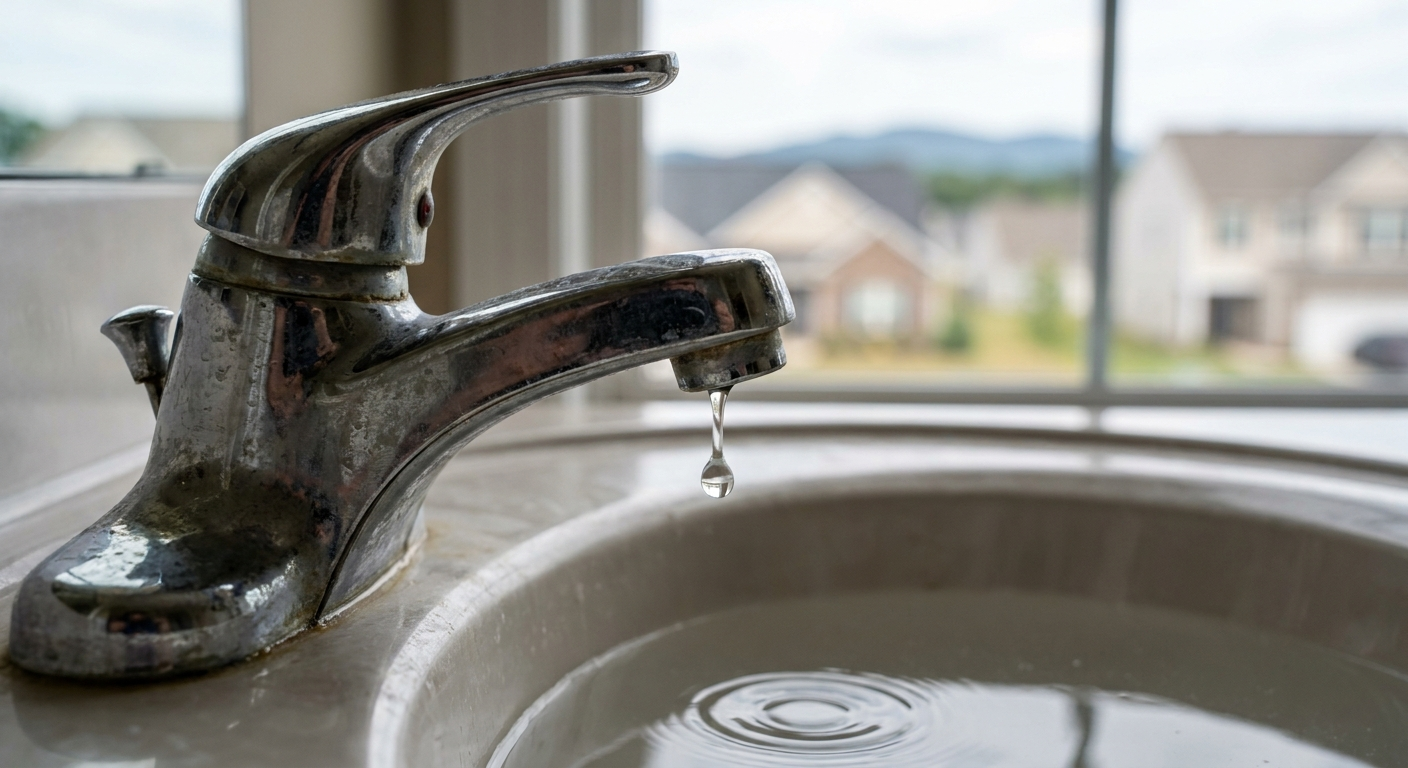
Why Does Your Faucet in Greer Keep Dripping?
Most homeowners hear that drip and think it's just a minor annoyance. Water out, wallet drained. But your plumbing system tells a different story—and if you're not listening, you're setting yourself up for bigger headaches. That steady drip might seem harmless, but it's burning through gallons every month and signaling wear you can't ignore. Especially if hard water or aging fixtures are already working against you.
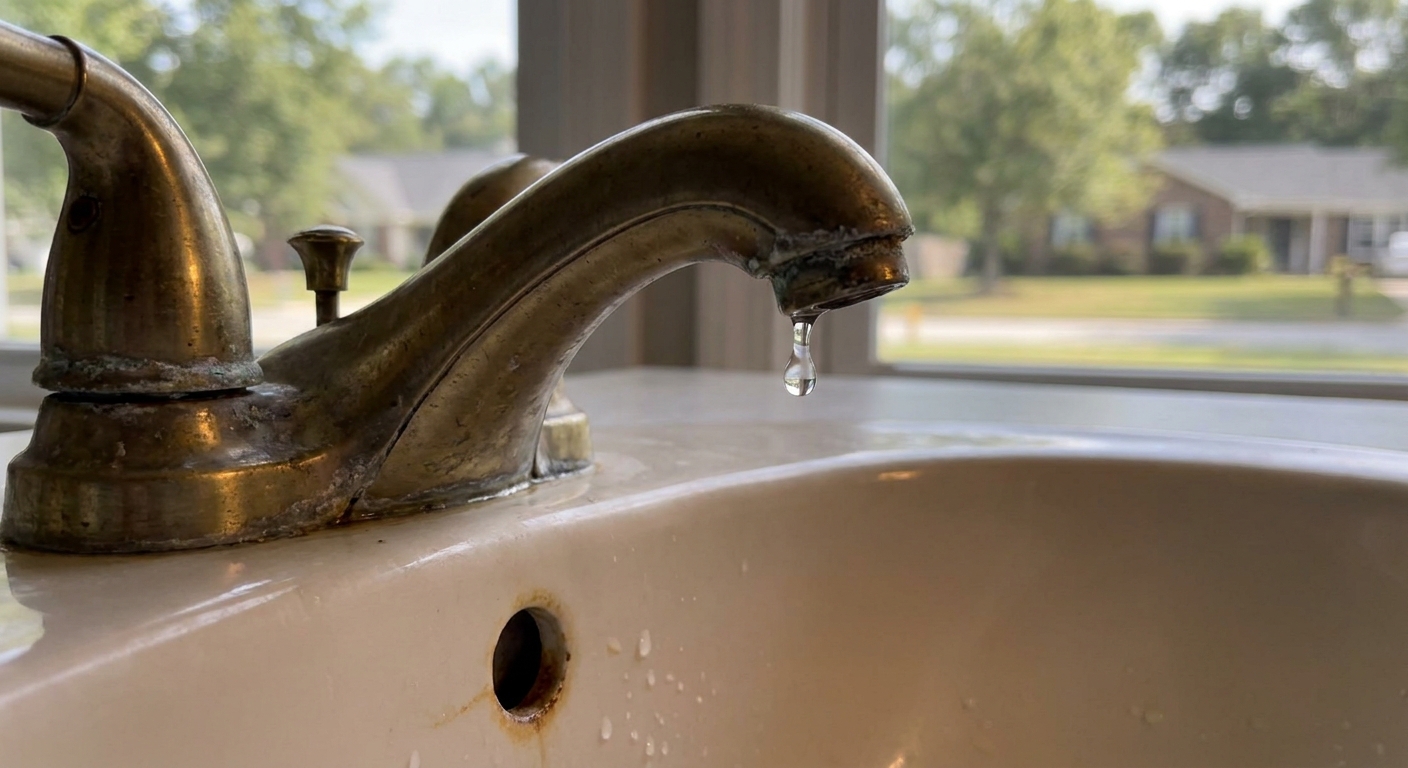
Here's what matters. If you're living in Greer and that faucet won't quit, it's not magic—it's mechanics. Every drip has a cause. Every leak leaves evidence. And every repair decision should be based on what's actually broken, not just what you can see from the counter.
The Parts That Fail First
Faucets aren't complicated, but they're built from pieces that take constant punishment. Turn the handle a few thousand times, and something's going to give. Most drips trace back to a handful of usual suspects—small components that wear down faster than the metal around them.
Greer's water doesn't help. Mineral content here can speed up corrosion and gunk up seals that should last years. Add in temperature swings and regular use, and you've got a recipe for parts that fail early and often.
- Washers break down: Rubber or silicone rings that create the seal when you shut off water get stiff, crack, or shift out of place over time.
- Cartridges crack: Modern faucets rely on cartridges to manage flow, and when they wear out or develop hairline fractures, water sneaks through.
- Valve seats corrode: The connection between faucet and spout collects mineral buildup, leading to rust and leaks around the base.
- O-rings loosen: These small seals keep water from escaping at joints, but they wear thin or slip out of position with age.
- Pressure forces through gaps: Sometimes the faucet's fine—it's your home's water pressure that's too high, pushing water past even tight seals.
Hard Water Builds Up Fast
Greer sits in an area where calcium and magnesium run heavy in the water supply. That's not a problem you notice right away, but over months and years, those minerals coat the inside of your fixtures. Metal parts pit and corrode. Rubber seals get crusty. Even brand-new faucets can start acting up faster than they should when hard water's involved.
Seasonal humidity and temperature shifts don't help either. Materials expand when it's hot, contract when it cools, and all that movement loosens connections that were snug when the plumber left. It's not dramatic—it's cumulative.
How Much Water You're Actually Losing
A drip every second doesn't sound like much until you add it up. The EPA puts the number at over 3,000 gallons a year from one leaky faucet. That's real water hitting your bill every month, and it's waste you're paying for whether you fix it or not.
Multiply that by a couple of faucets, or let it go for a few years, and you're looking at serious money down the drain—literally. It's not just about your wallet. Greer's water supply isn't unlimited, and every gallon wasted is a gallon someone else could have used.
What You Can Fix Yourself
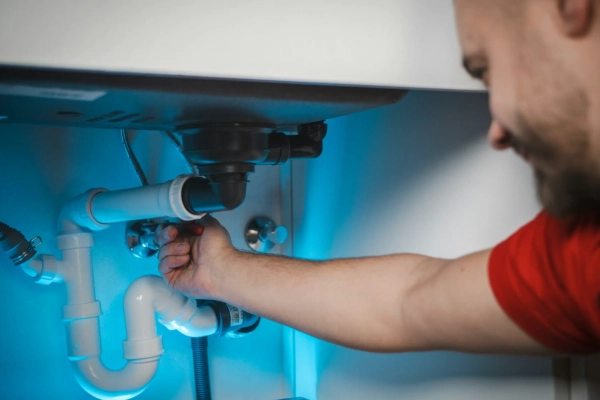
If you've got basic tools and a little patience, you can handle some of these repairs without calling anyone. Shutting off the water supply is step one. From there, it's about disassembly, inspection, and replacement. Washers and O-rings are cheap. Cartridges cost a bit more but aren't complicated to swap out.
Cleaning mineral deposits off valve seats takes vinegar or a commercial descaler and a little scrubbing. Once you've swapped the worn parts and cleaned the buildup, reassemble everything and test the flow. If the drip stops, you're done. If it doesn't, the problem's deeper than a DIY fix can reach.
- Shut off water before you touch anything
- Pull the handle and access internal components
- Check washers, cartridges, and O-rings for damage
- Scrub away mineral deposits with vinegar
- Replace any worn or cracked parts with exact matches
When the Drip Won't Stop
Sometimes you replace the washer, tighten the connections, and the drip just keeps coming. That usually means the issue's with something you can't see—a cracked housing, a corroded seat that's too far gone, or pressure problems upstream. At that point, guessing costs more than calling someone who knows what they're looking at.
Licensed plumbers in Greer have the diagnostic tools to pinpoint exactly where the failure is. They carry the parts. They've seen the patterns. And they don't leave until the faucet's actually fixed, not just tightened.
- Persistent leaks after part replacement
- Visible corrosion around the base or spout
- Water pressure irregularities elsewhere in the house
- Older faucets with discontinued parts
- Multiple fixtures leaking at the same time
Stopping Future Leaks Before They Start
Maintenance isn't glamorous, but it works. If you've got hard water, a water softener cuts down on mineral buildup across your entire system. Periodic checks on washers and seals catch wear before it turns into a leak. And replacing aging faucets before they fail saves you from emergency repairs on a Sunday afternoon.
Keep an eye on water pressure too. If it's running high, install a regulator. High pressure feels great in the shower, but it destroys seals and shortens the life of every fixture in your house.
- Install a water softener to reduce mineral deposits
- Check seals and washers every six months
- Replace faucets showing visible corrosion or age
- Monitor water pressure and install regulators if needed
- Address small leaks immediately before they worsen
Drips Don't Fix Themselves
That faucet in Greer isn't going to stop dripping because you ignore it. It's telling you something's broken, and the longer you wait, the more water you waste and the more damage piles up behind the scenes. Whether it's a worn washer or a corroded valve seat, the fix exists—you just have to act on it.
Taking care of it now keeps your water bill in check, your plumbing system running clean, and your home free from the kind of slow, steady damage that sneaks up when you're not paying attention. If you need professional faucet installation and repair services, experienced technicians can diagnose the problem and provide lasting solutions. For homeowners dealing with persistent issues, faucet repair in Simpsonville is also available from qualified professionals. Listen to the drip. Then make it stop.
Let’s Solve That Drip Together
We know how frustrating a leaky faucet can be, and we’re here to help you put an end to wasted water and mounting bills. Let’s get your plumbing back in shape—give us a call at 864 300-4737 or contact us for an estimate and we’ll take care of the rest.
‹ Back