


 3228B Wade Hampton Blvd, Taylors, SC 29687
 (864) 300-4737



By using our website, you agree to the use of cookies as described in our Cookie Policy
Back to Blog
‹ Back
Why Lights in Your Greer Home Flicker When Appliances Start
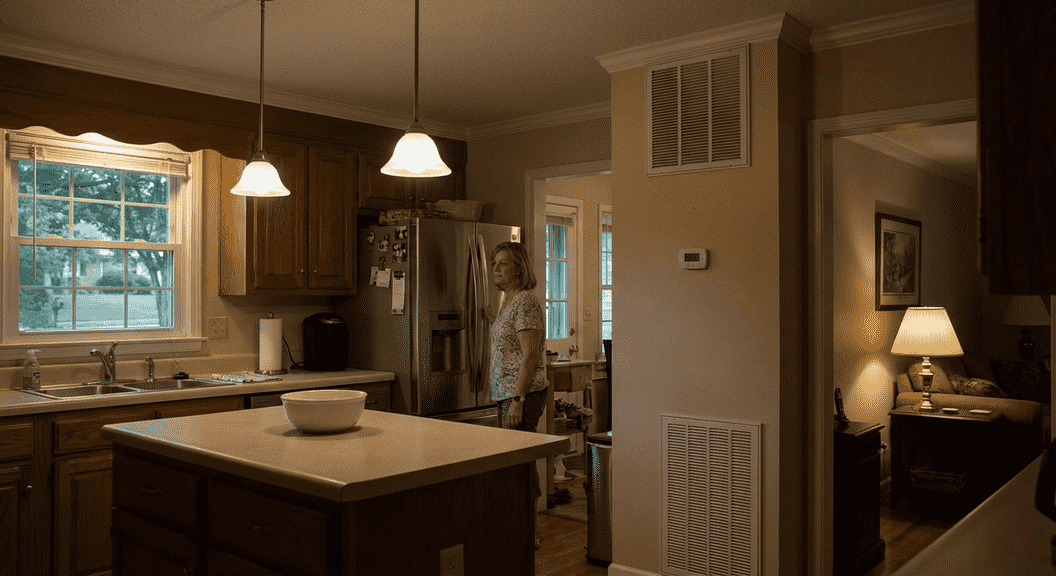
Most homeowners think flickering lights are just a quirk. A minor annoyance. But your electrical system is trying to tell you something — and if you're not listening, you could be setting yourself up for bigger problems. That brief dimming when the AC kicks on isn't magic. It's physics. And it's worth understanding before it turns into a service call.
Here's what's actually happening. When a major appliance fires up, it pulls a surge of power from your home's electrical grid. That sudden demand creates a voltage drop, and your lights respond by flickering or dimming for a split second. In most cases, it's harmless. But if it's happening constantly, or if other symptoms show up alongside it, you're looking at something that needs attention.
The Surge That Causes the Dip
Appliances with motors or compressors don't ease into operation. They demand a jolt of electricity right out of the gate. Your air conditioner, refrigerator, washing machine — they all need more power to start than they do to run. That startup surge pulls from the same electrical supply feeding your lights, and for a moment, there's not enough voltage to go around.
This effect is more pronounced in older homes where the wiring wasn't designed for today's electrical loads. But even newer construction can experience brief flickers when heavy equipment cycles on. The key difference is frequency and severity. A quick dip now and then? Normal. Constant flickering or lights that stay dim? That's a red flag.
The Usual Suspects Behind the Flicker
Not every appliance has the same impact on your electrical system. Some are power hogs from the moment they start, while others barely register. The ones that cause the most noticeable flickering include:
- Central air conditioning units and window AC systems that fire up compressors with serious amperage demands
- Refrigerators and freezers that cycle throughout the day, each time drawing a startup surge
- High-wattage microwaves that pull heavy loads the instant you hit start
- Washing machines and dryers with motors that spike power usage during spin cycles
- Vacuum cleaners that can cause brief flickers, especially when sharing a circuit with lighting
When Flickering Stops Being Normal
A quick flicker when the fridge kicks on isn't cause for alarm. But persistent dimming, lights that flicker without any appliance starting, or flickering paired with other warning signs — those are different stories. If you're noticing buzzing sounds from outlets, a burning smell near switches, or outlets that feel warm to the touch, you're dealing with something beyond a simple voltage dip.
The problems that turn flickering from annoying to dangerous usually fall into a few categories:
- Loose or corroded wiring connections that create resistance and heat buildup
- Overloaded circuits trying to handle more devices than they were designed for
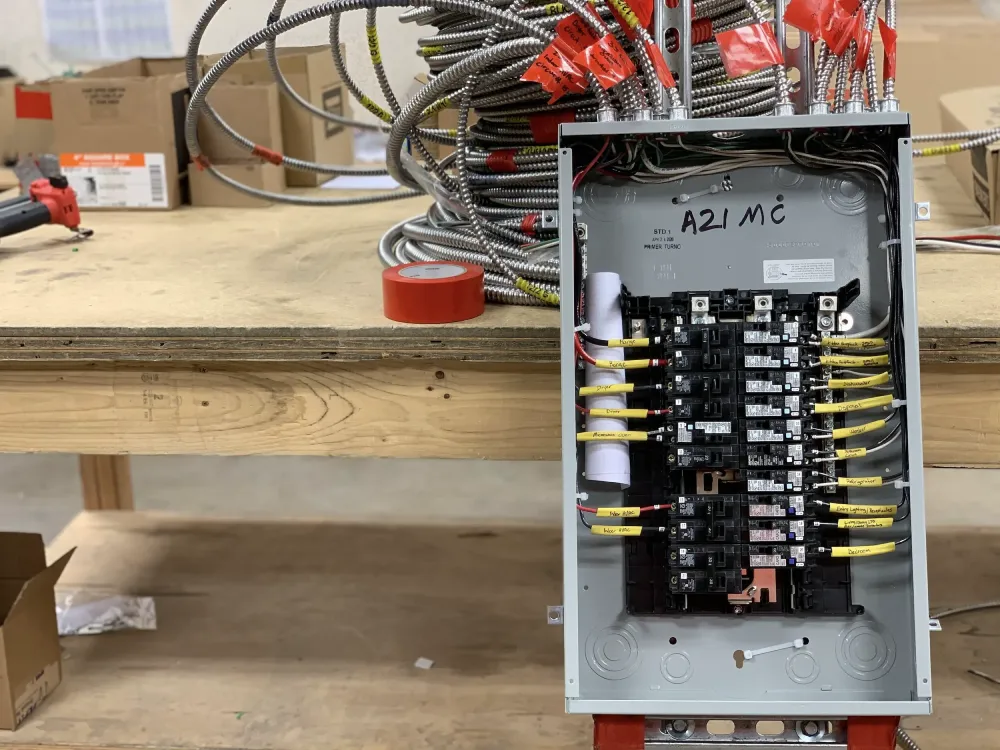
- Undersized electrical panels in older homes that can't support modern appliance loads
- External utility issues where the problem originates outside your home's system
- Faulty breakers that aren't tripping when they should, allowing unsafe conditions to persist
Steps You Can Take Right Now
If the flickering is minor and only happens when big appliances start, you're probably fine. But there are practical moves you can make to reduce the effect and protect your system long-term. Start by spreading out when you run high-demand appliances. Don't fire up the dryer, microwave, and vacuum all at once if they're on the same circuit.
For homes with older wiring or frequent flickering, upgrades might be necessary. Here's what actually makes a difference:
- Having an electrician inspect your panel and wiring to confirm they meet current electrical codes
- Installing dedicated circuits for major appliances so they don't compete with lighting for power
- Upgrading to a higher-capacity electrical panel if your current setup is maxed out
- Replacing old aluminum wiring with copper if your home was built during the era when aluminum was common
- Adding surge protection to safeguard sensitive electronics from voltage fluctuations
What Professional Inspection Reveals
A licensed electrician doesn't just look at your lights. They trace the problem back through your entire system — panel, circuits, connections, and load distribution. They'll test voltage levels under different conditions, check for loose connections, and measure how much capacity you're actually using versus what your system can handle.
Most homeowners are surprised by what an inspection uncovers. Circuits that were never meant to handle current loads. Wiring that's been patched over the years without proper upgrades. Breakers that are worn out and no longer trip at the right threshold. These aren't things you can spot by watching your lights flicker. They require tools, training, and an understanding of how electrical systems degrade over time.
Your Electrical System Isn't Static
Flickering lights are your home's way of showing stress. Ignoring it won't make it go away, and in some cases, it gets worse. Voltage drops that seem harmless today can lead to damaged appliances, tripped breakers, or even electrical fires if the underlying cause isn't addressed. The good news is that most flickering issues are fixable — and catching them early keeps repair costs manageable.
If you're seeing persistent problems or you're just not sure whether what you're experiencing is normal, bring in a professional. A thorough inspection gives you clarity, and if upgrades are needed, you'll know exactly what you're dealing with. Your electrical system is the backbone of your home. Treat it that way, and it'll keep everything running the way it should.
Let’s Keep Your Home Safe and Bright
We all want peace of mind when it comes to our home's electrical safety. If flickering lights have you second-guessing your system, let’s get to the bottom of it together. Give us a call at 864 300-4737 or Contact Us For a Free Estimate—we’re ready to help you enjoy a safer, more reliable home.
‹ Back