


 3228B Wade Hampton Blvd, Taylors, SC 29687
 (864) 300-4737



By using our website, you agree to the use of cookies as described in our Cookie Policy
Back to Blog
‹ Back
Are Dead Outlets in Greer Becoming More Common in Your Home?
Dead outlets aren't just an inconvenience. They're a warning sign. Most homeowners think one failed outlet is random, maybe two. But when you start losing power across multiple spots in your Greer home, that's a pattern — and patterns mean something deeper is breaking down. Outlets don't fail for fun. They fail because wiring gets old, circuits get overloaded, or someone cut a corner years ago that's finally catching up.
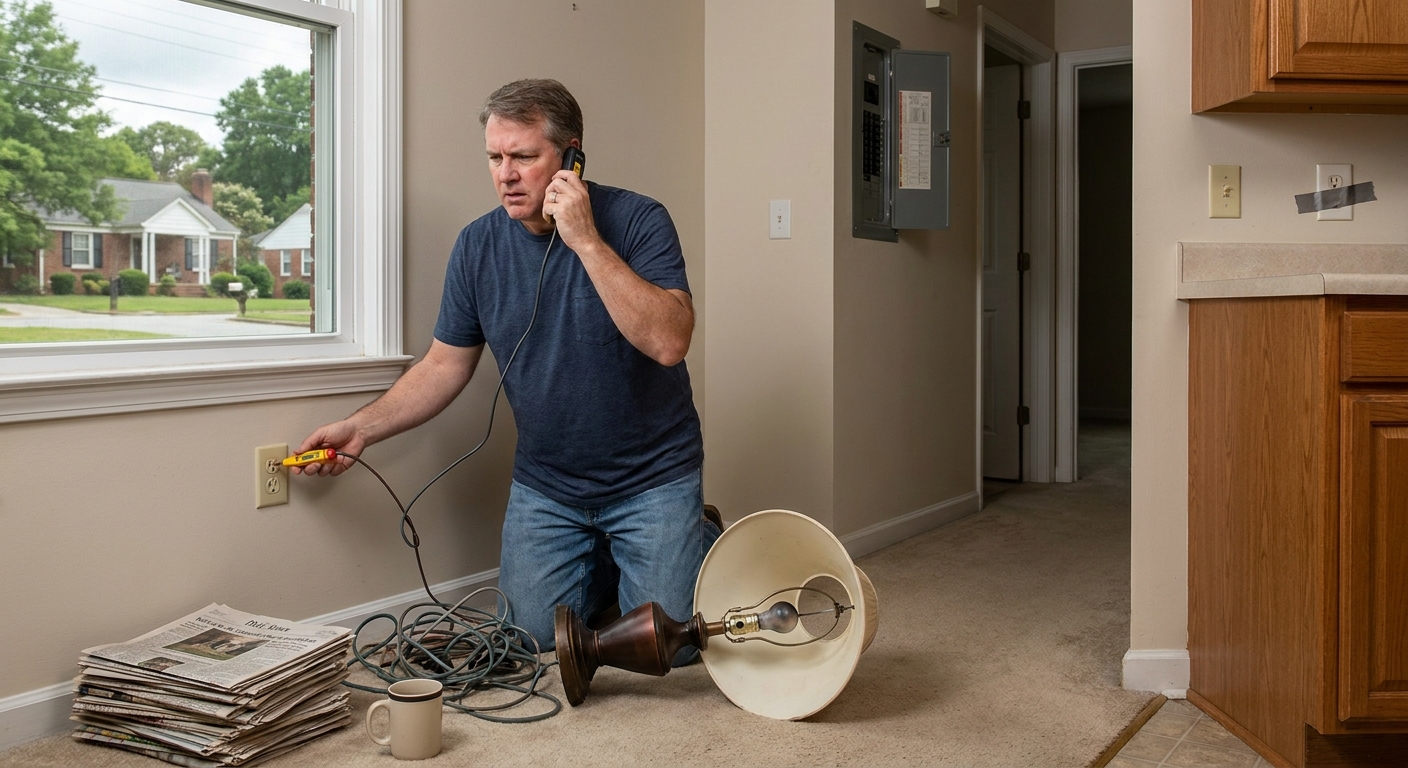
So if you're noticing more outlets going dark, don't wait until something sparks or trips every breaker in the house. The issue isn't always obvious, and it's rarely as simple as replacing a single receptacle. You need to know what's actually happening behind the wall — and whether your home's electrical system is still holding up under the load you're putting on it.
When Power Disappears Without a Reason
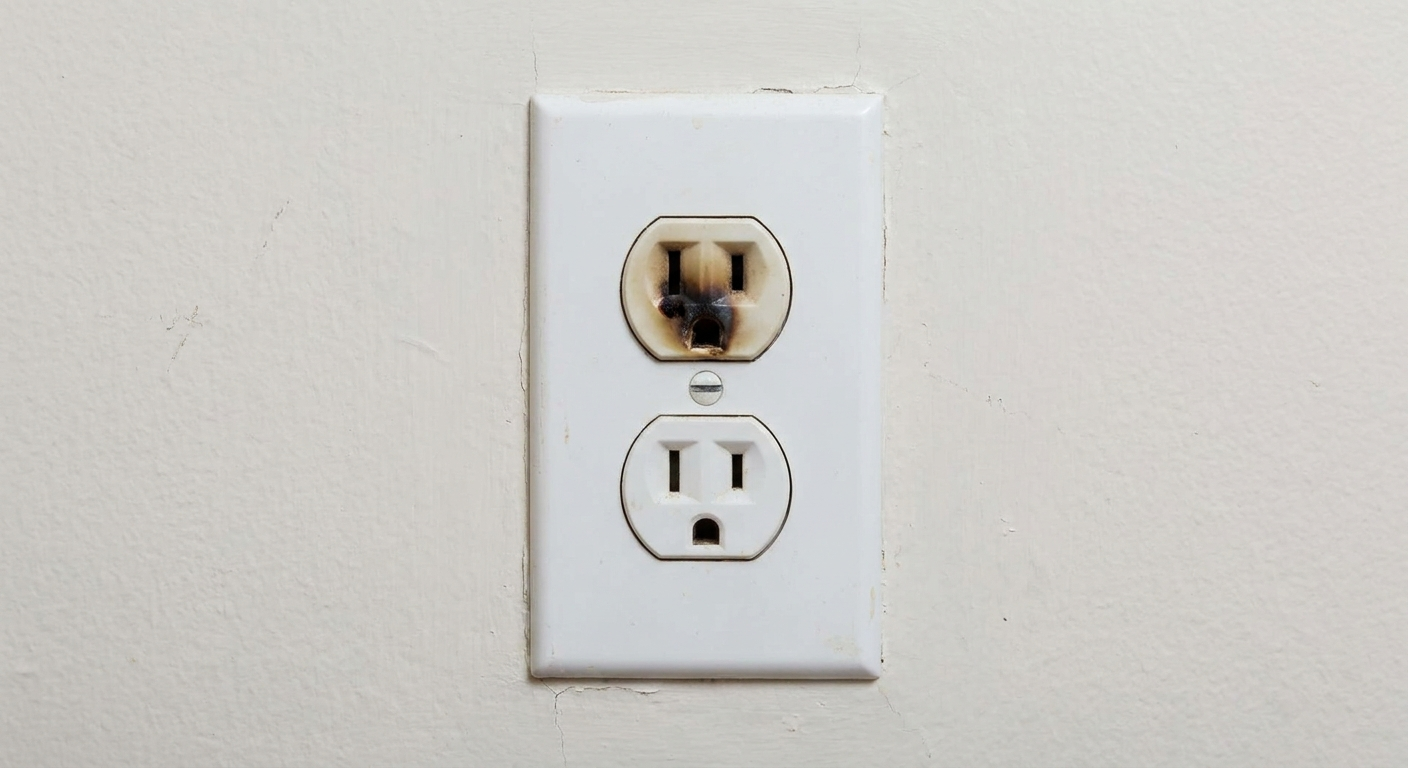
A dead outlet is exactly what it sounds like. You plug something in, and nothing happens. No light, no charge, no sign of life. Sometimes it's one outlet. Sometimes it's three in a row. And sometimes it's a whole circuit that just stopped cooperating. The frustrating part? It could be a dozen different things causing it.
What makes it worse is that most homeowners don't know where to start. You check the plug. You swap devices. You stare at the outlet like it owes you an explanation. But the real problem is usually tucked behind drywall or buried in a breaker box you haven't opened in years.
What Kills an Outlet
Outlets don't die for no reason. There's always a cause, even if it's not immediately visible. Understanding what makes them fail is the first step toward fixing the problem — or preventing the next one.
- A tripped breaker cuts power to everything on that circuit, and it's often the first thing you should check
- Blown fuses in older homes do the same thing, but they don't reset — they need replacement
- Loose or damaged wiring behind the outlet can cause intermittent failure or total shutdown
- Worn-out outlets lose their grip on plugs and their ability to conduct power reliably
- GFCI outlets trip when they sense moisture or ground faults, and they can shut down other outlets downstream
- Rodent damage from chewed wiring is more common than people think, especially in attics and crawl spaces
- Water intrusion from leaks or condensation corrodes connections and shorts out circuits
The Trend You're Seeing Isn't Random
If dead outlets are becoming more frequent in your Greer home, there's a reason. And it's probably not just bad luck. Electrical systems age, usage habits change, and the infrastructure that worked fine twenty years ago doesn't always keep up with modern demands.
Greer has plenty of older homes. Homes built before the era of smartphones, gaming systems, home offices, and electric vehicles. Those systems were designed for a fraction of the load they're now carrying. Add in decades of wear, humidity, and temperature swings, and you've got a recipe for failure. Especially if the system was never updated or maintained properly.
- Aging wiring loses insulation, flexibility, and conductivity over time
- Increased electrical demand from modern devices overloads circuits that were never meant to handle it
- Poor installation or DIY repairs done years ago start showing their flaws
- Greer's climate accelerates corrosion and wear on electrical components
- Lack of maintenance means small problems go unnoticed until they become big ones
Start With What You Can Check
Before you call anyone, there are a few things you can rule out yourself. Most dead outlets come down to a handful of common culprits, and some of them are easy to spot. Check your breaker panel first. Look for any switches that aren't fully in the "on" position. Flip them off, then back on. That alone fixes the issue more often than you'd think.
Next, find any GFCI outlets in your home. They're usually in bathrooms, kitchens, and garages — anywhere water might be present. Press the reset button. If that restores power, you've found your answer. If it doesn't, or if the outlet keeps tripping, the problem goes deeper.
When to Stop Guessing and Call Someone
If you've checked the obvious stuff and the outlet's still dead, it's time to bring in a licensed electrician. This isn't the kind of problem you want to troubleshoot with YouTube tutorials. Electrical work is dangerous, and one wrong move can lead to shock, fire, or worse. A professional can trace the circuit, test for voltage, and identify the real issue without guessing.
Plus, they'll catch things you wouldn't. Loose connections inside the box. Corroded wiring. Overloaded circuits. Faulty GFCI devices. All of it matters, and all of it needs proper tools and training to diagnose safely.
- Electricians can test circuits and outlets with meters you don't have
- They know how to trace problems through walls without tearing everything apart
- They can spot code violations or safety hazards while they're at it
- They'll fix it right the first time instead of creating a bigger mess
- They carry liability insurance, so if something goes wrong, you're covered
Stop the Problem Before It Spreads
The best way to deal with dead outlets is to keep them from happening in the first place. That means regular inspections, timely repairs, and upgrades when your system can't handle the load anymore. If your home still has aluminum wiring, ungrounded outlets, or a panel that's maxed out, you're sitting on borrowed time.
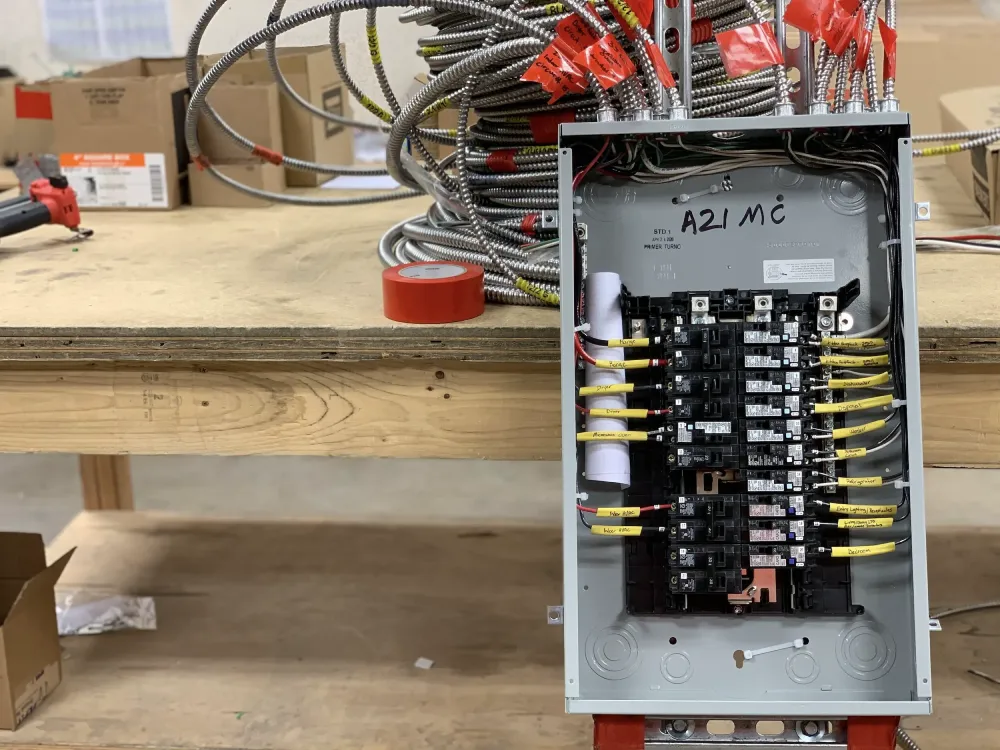
Get ahead of it. Have an electrician look at your system before you start losing outlets left and right. Upgrade old wiring. Replace worn receptacles. Add circuits if you need them. It's not glamorous, but it's a lot cheaper than dealing with fire damage or total electrical failure. For homes needing comprehensive electrical work, consider professional electrical services in Greenville to ensure your system meets current safety standards.
- Schedule an electrical inspection every few years, especially in older homes
- Replace outlets that feel loose, hot, or show signs of discoloration
- Upgrade your panel if you're constantly tripping breakers
- Add dedicated circuits for high-draw appliances like AC units and electric heaters
- Keep moisture away from outlets, especially in basements and bathrooms
Your Home Runs on Power You Can't See
Electrical problems don't announce themselves with flashing lights and sirens. They creep up slowly, one dead outlet at a time, until something finally gives. If you're seeing more failures in your Greer home, take it seriously. Professional appliance outlet installation and upgrades can prevent recurring issues and improve safety. The wiring behind your walls doesn't fix itself, and ignoring the problem only makes it worse. Many homeowners also experience related issues like electrical panels that trip frequently or notice lights flickering when appliances start. If you need professional help with electrical panel installation or repair, get it checked, get it fixed, and stop gambling with safety. Your home deserves better than crossed fingers and a surge protector.
Let's Keep Your Greer Home Safe and Powered
We know how important it is to have every outlet in your home working reliably. If you're tired of guessing what's wrong or worrying about hidden electrical issues, let's tackle it together. Give us a call at 864 300-4737 or contact us for an estimate and we'll help you get your home's power back on track, safely and efficiently.
‹ Back