


 3228B Wade Hampton Blvd, Taylors, SC 29687
 (864) 300-4737



By using our website, you agree to the use of cookies as described in our Cookie Policy
Back to Blog
‹ Back
When Should You Replace Old Wiring in Your Greer Home?
Most Greer homeowners think wiring is something to worry about later. Out of sight, out of mind. But the electrical system running through your walls doesn't ask for permission before it fails — and when it does, you're not dealing with an inconvenience. You're dealing with fire risk, failed inspections, or appliances that suddenly don't work. Aging wiring doesn't announce itself until it's already a problem. And by then, the repair bill is bigger, the downtime is longer, and the danger is real.
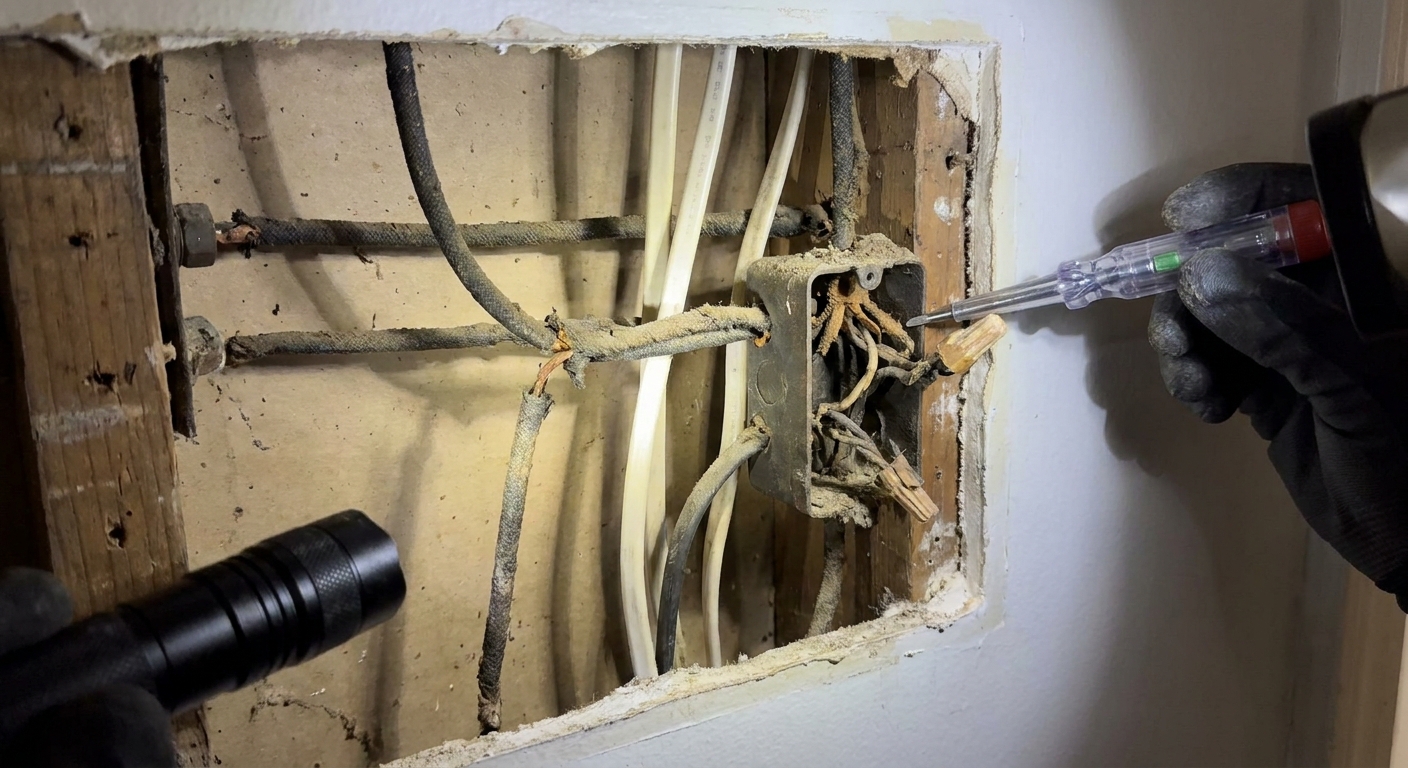
So here's what matters. If your home was built more than a few decades ago, the wiring inside it probably wasn't designed for how you live now. Every outlet, every switch, every breaker — they all have a shelf life. And if you're still running on the original setup, you're past it. The question isn't whether to upgrade. It's whether you catch it before something breaks, burns, or shuts down.
Wiring Doesn't Last Forever
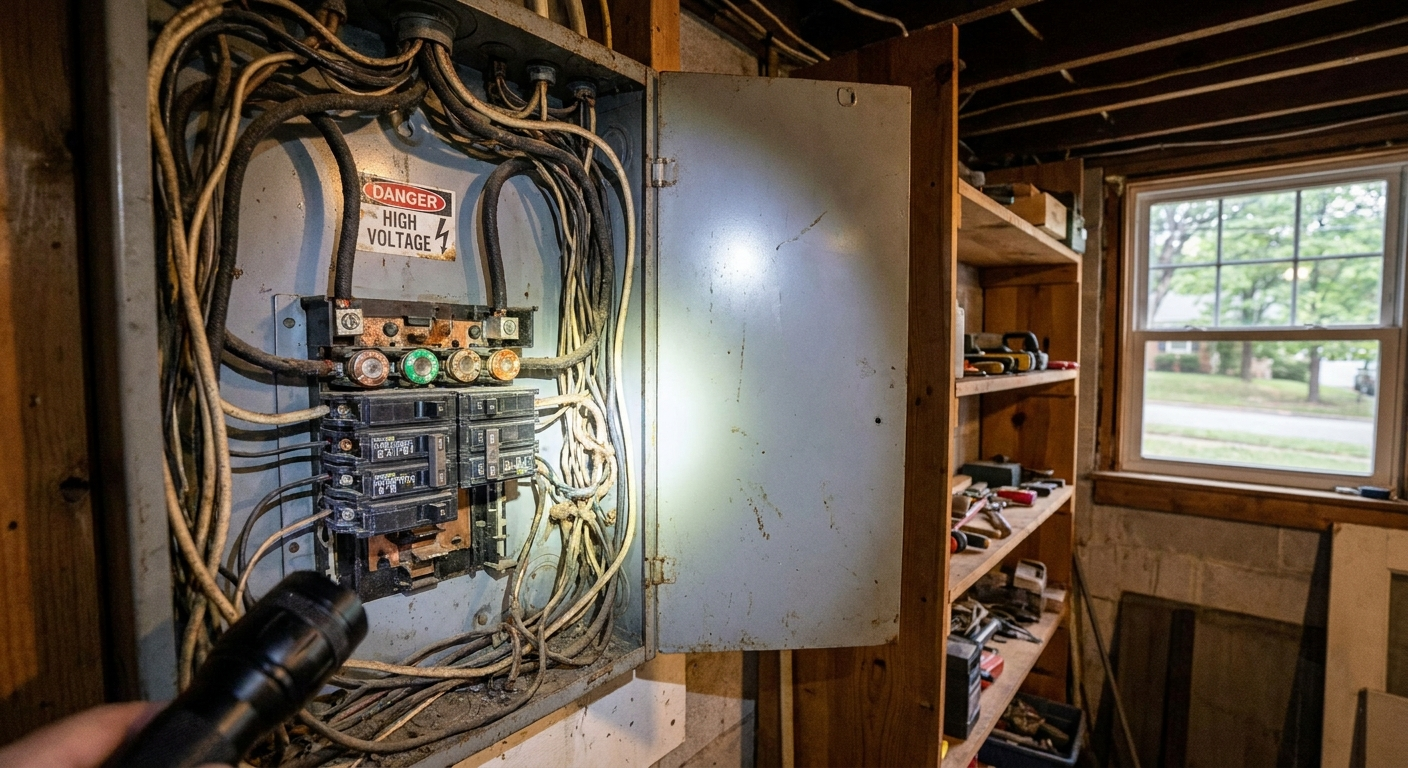
Homes built before the 1980s are often sitting on electrical systems that were fine for their time but can't handle modern loads. Knob-and-tube wiring, aluminum circuits, cloth insulation — these weren't bad when they went in. They're just obsolete now. Insulation cracks. Connections corrode. Wire capacity maxes out. And none of that happens with a warning light.
The wear isn't always visible, either. You won't see it behind drywall or up in the attic until an electrician opens things up. But the signs show up in how your home performs — or doesn't. If the electrical backbone of your house is aging out, you'll feel it in the flickers, the trips, and the outlets that don't hold a plug like they used to.
What Your Home Is Trying to Tell You
Old wiring leaves clues. Some are subtle. Others are loud. Either way, they're worth paying attention to — because the longer you wait, the worse the risk gets. Electrical systems degrade slowly, then all at once. Catching the early signals means you stay ahead of the failure.
Here's what we see most often in Greer homes that need a rewire:
- Circuit breakers that trip constantly, even with normal use
- Lights that dim or flicker when you turn on an appliance
- Outlets or switches that feel warm to the touch
- Burn marks or discoloration around outlet covers
- A faint burning smell with no clear source
- Buzzing or crackling noises coming from the walls or panel
- Two-prong outlets throughout the house with no grounding
- Aluminum wiring or knob-and-tube still in use
The Fire Risk No One Talks About Enough
Electrical fires don't always start with sparks flying. They start with heat building up over time in a connection that's gone bad. A wire that's overloaded. Insulation that's brittle and exposed. The National Fire Protection Association flags faulty wiring as one of the top causes of residential fires — and most of those homes had warning signs that went ignored.
This isn't about paranoia. It's about physics. When wiring can't handle the load you're putting on it, resistance builds. Resistance creates heat. Heat breaks down materials. And eventually, something ignites. You don't get a second chance to catch that before it happens. You either address it proactively, or you deal with the aftermath.
What Rewiring Actually Fixes
Replacing old wiring isn't just about avoiding disaster. It's about bringing your home up to code, improving performance, and making sure your electrical system can support the way you actually live. Modern wiring handles higher loads, integrates safety features like GFCI and AFCI protection, and eliminates the weak points that come with decades-old materials.
Here's what changes when you upgrade:
- Grounded outlets that protect sensitive electronics and reduce shock risk
- Breaker panels designed for today's energy demands, not 1970s appliances
- Stable power delivery without flickers, sags, or random outages
- Lower insurance premiums in some cases, especially if you had outdated wiring flagged
- Higher resale value and faster inspections if you ever sell
How Age and Use Stack Up
If your Greer home is over 40 years old and the wiring has never been touched, you're operating on borrowed time. Even if everything seems fine, the materials inside those walls are aging. Copper oxidizes. Insulation becomes fragile. Connections loosen with thermal expansion and contraction over the years.
Add in the fact that homes today run more devices, more appliances, and more constant loads than they did in the '70s or '80s, and you've got a mismatch. The system wasn't built for this. It's like running modern software on a machine from two decades ago — it might work, but it's slow, unstable, and prone to crashing.
When DIY Stops and Professional Work Starts
Electrical work isn't a YouTube project. It's regulated, it's dangerous, and it's one of the few home systems where a mistake can kill someone or burn your house down. If you're seeing any of the signs we've covered, the next step is an inspection — not a guess, not a temporary fix, and definitely not a workaround involving extension cords and power strips.
A licensed electrician can open up your panel, trace your circuits, and tell you exactly what's still safe and what needs to go. They'll also catch code violations, undersized wiring, and hidden damage you'd never find on your own. That's not upselling. That's the difference between a bandaid and a real solution.
What Happens If You Wait
Delaying a rewire doesn't make the problem smaller. It makes the consequences bigger. Faulty wiring doesn't heal itself. It deteriorates further. Connections that were loose become dangerous. Circuits that were marginal become overloaded. And the longer you run on a system that's past its limits, the higher the chance something goes wrong when you're not home, not awake, or not prepared.
We've seen it play out too many times. Homeowners who knew they had issues but kept putting it off — until an inspection failed, an appliance outlet fried, or worse. The cost of waiting isn't just financial. It's risk you're carrying every day the old wiring stays in place.
The Documentation You'll Need
If you're planning to sell, refinance, or just want peace of mind, having your electrical system inspected and updated creates a paper trail that protects you. Insurance companies care. Buyers care. Inspectors definitely care. And if something does go wrong, being able to show that you maintained your home properly can make all the difference.
Here's what to keep on file:
- Inspection reports from licensed electricians
- Permits pulled for any rewiring or panel upgrades
- Receipts and invoices showing work completed
- Before-and-after photos if major updates were done
- Certification that the work meets current National Electrical Code standards
Common Mistakes Greer Homeowners Make
Trying to stretch the life of old wiring with adapters, surge protectors, and outlet extenders is a temporary fix that compounds the real issue. You're not reducing the load — you're just redistributing it onto a system that's already maxed out. That's not problem-solving. That's risk multiplication.
Another misstep we see often is assuming that because the lights still turn on, everything's fine. Electrical systems fail gradually, not all at once. By the time you notice a major issue, the damage is already deep. Waiting for total failure is the most expensive way to find out you needed an upgrade.
Insurance and Resale Implications
Some insurance carriers won't cover homes with known wiring hazards — or they'll charge higher premiums if outdated systems are still in place. That's especially true for knob-and-tube or aluminum wiring. And when it comes time to sell, a home inspection that flags electrical issues can tank a deal or force you into last-minute repairs at a discount.
Updating your wiring before you list your home eliminates one of the most common deal-breakers. It also gives you leverage in negotiations and speeds up the closing process. Buyers don't want to inherit electrical problems. And they definitely don't want to budget for a rewire right after they move in.
What Professional Help Actually Looks Like
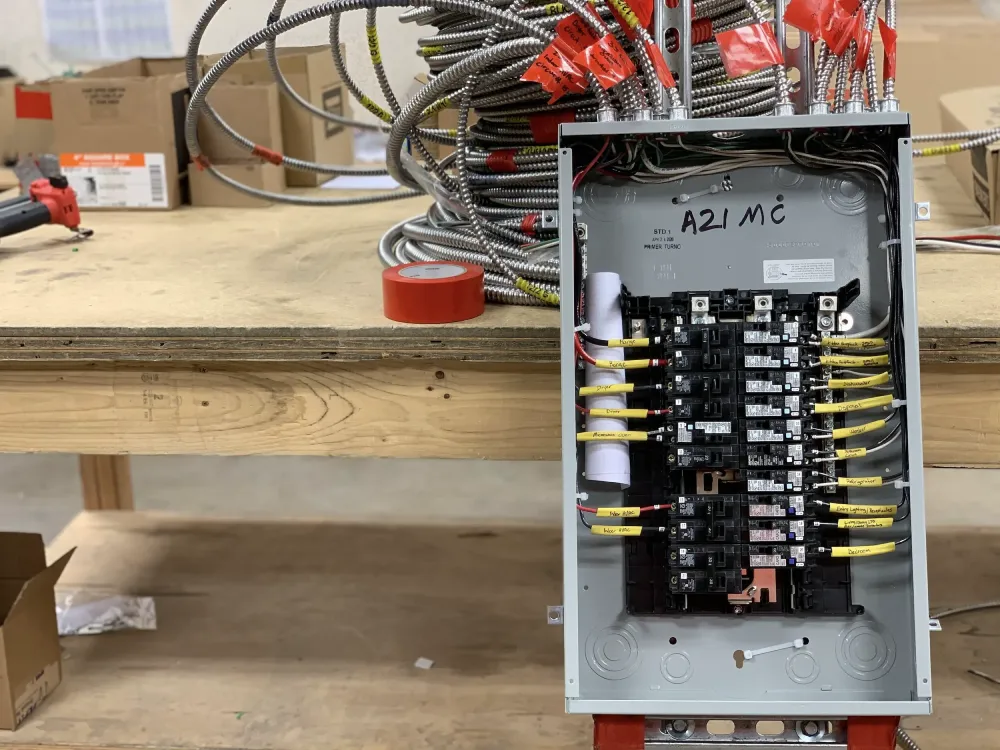
A real electrical assessment isn't a quick glance at your breaker box. It's a full audit of your system — panel capacity, wire gauge, grounding, circuit load, and code compliance. The electrician should be asking how you use your home, what you're planning to add, and whether your current setup can handle it.
Here's what that process typically includes:
- Visual inspection of the panel, outlets, and visible wiring
- Load testing to see if circuits are overloaded
- Identification of outdated or unsafe materials
- Code compliance review based on current NEC standards
- Written estimate for repairs or full rewire if needed
Your Home Runs on What You Can't See
The wiring in your Greer home isn't glamorous. It doesn't show up in photos or impress guests. But it's the backbone of everything you depend on — and when it fails, nothing else works. Waiting until something breaks is the riskiest play you can make. The smarter move is getting ahead of it, understanding what you're working with, and making the call before the system makes it for you. If you're experiencing flickering lights when appliances start or noticing your electrical panel tripping frequently, it's time to address these warning signs with professional electrical panel installation or repair. Electrical problems don't fix themselves. But they do get worse. And the longer you let them sit, the harder they are to solve.
Let's Make Your Home Safer, Together
We know how important it is to feel secure and confident in your own home. If you're seeing any of the warning signs or just want peace of mind about your wiring, let's take the next step together. Give us a call at 864 300-4737 or contact us for an estimate and we'll help you get your home's electrical system up to the standards you deserve.
‹ Back